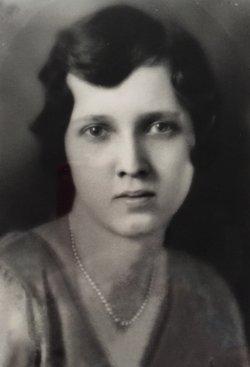
In the summer of 1966, a sense of promise filled the air for Merlita Gargullo, a bright and hardworking 23-year-old woman. An exchange nurse from the Philippines, she had traveled to Chicago to further her training at the South Chicago Community Hospital. Merlita, known for her rich singing voice, was described as pretty but shy. She and two other Filipina nurses had recently moved into a townhouse on the city's South Side, joining six American student nurses.
The young women had just thrown a welcome party for their new roommates and were settling into a summer of learning and new experiences.
The night of July 13, 1966, began like any other, but would end in a brutal and senseless act of violence that would shock the nation. A man named Richard Speck, a 24-year-old drifter with a criminal history, broke into the nurses' townhouse. Armed with a knife and a gun, he systematically rounded up the women as they returned from their shifts, telling them he only wanted money for a trip to New Orleans. Over the course of several terrifying hours, Speck took the women one by one to different rooms, where he stabbed or strangled them to death. Merlita Gargullo was among the eight victims of his rampage. In a chilling exchange, the killer reportedly asked Merlita if she knew karate before he took her life. She died from a deep stab wound to the side of her neck.
The horrific crime was discovered the following morning when the ninth nurse, Corazon Amurao, who had managed to hide under a bed for hours, finally felt it was safe to scream for help from a window ledge. Her detailed description of the killer, including a distinctive "Born to Raise Hell" tattoo, was crucial for the police investigation. A massive manhunt ensued, and the city was gripped with fear. Three days later, Richard Speck was arrested after a doctor at Cook County Hospital recognized the tattoo when Speck was brought in following a suicide attempt. Speck's fingerprints were also matched to those found at the crime scene. He was charged with the murders of all eight women. The subsequent trial, moved to Peoria to ensure impartiality, resulted in a guilty verdict after the jury deliberated for only 49 minutes. Speck was sentenced to death in the electric chair. However, his sentence was later commuted to a long prison term after the Supreme Court's ruling on the death penalty. Richard Speck died of a heart attack in prison in 1991, the day before his 50th birthday, never having shown any remorse for his brutal actions. The case remains one of the most infamous mass murders in American history, a tragic story of promising young lives, including that of Merlita Gargullo, cut short by a night of unimaginable terror.