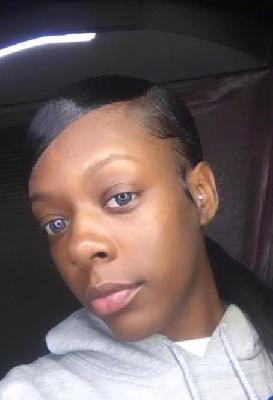
On a summer day in Chicago, the body of a 52-year-old Black woman named Brenda Cowart was found abandoned in a vacant lot. It was August 22, 2001, and she had been strangled to death. Her death was not an isolated tragedy but one of a deeply disturbing series of killings that would haunt the city for years. Her case remains unsolved, her story largely untold, eclipsed by the sheer number of similar victims who met the same fate.
Brenda’s murder was the fourth in what would become a
string of at least 51 unsolved homicides of women in Chicago between 2001 and 2018. Investigative bodies, most notably the Murder Accountability Project, identified this cluster of killings, suggesting the work of one or more serial killers who became known as the Chicago Strangler. The victims were predominantly African American women, their ages ranging from 18 to 58.
The method was chillingly consistent: strangulation or asphyxiation. The bodies of these women were nearly always discarded in desolate, overlooked places—alleys, garbage bins, abandoned buildings, and vacant lots like the one where Brenda was discovered. These locations, primarily on the city's South and West Sides, became grim landmarks in a pattern of violence that many felt was not receiving the attention it deserved.
Despite the alarming pattern, information about the individual lives of these women, including Brenda Cowart, is scarce. Public records and news reports focus on the grim statistics and the serial killer theory, leaving the women as names on a list rather than individuals with families, histories, and dreams. They were mothers, daughters, and friends whose lives were violently cut short, yet their personal stories have often been lost in the shadow of their collective tragedy.
The investigation into this string of murders has been complex and frustrating. Over the years, community activists and families of the victims have publicly called for more resources and greater transparency from the Chicago Police Department. While police have reviewed the 51 cases identified by the Murder Accountability Project, the department has historically been hesitant to officially link them to a single serial killer, pointing to a lack of definitive evidence connecting all the crimes.
For years, advocates have worked to keep the memories of these women alive, arguing that their marginalization in life should not be duplicated in death. Projects like "The Unforgotten 51" have sought to humanize the victims, to tell their stories, and to pressure law enforcement to bring their killers to justice. These efforts ensure that women like Brenda Cowart are remembered not just as statistics in a cold case file, but as individuals whose lives mattered and whose deaths demand answers.
Today, Brenda Cowart’s case remains open and unsolved, one of dozens of painful reminders of a long and terrifying chapter in Chicago's history. There has been no justice for her, and her killer has never been identified. Her death is a stark illustration of a larger crisis of violence against women of color and the struggle to have their stories heard and their cases solved.