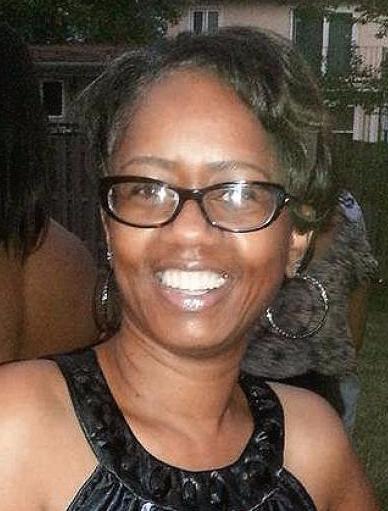
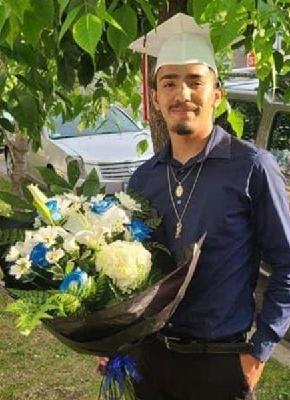
On September 9, 2017, Jacquel Mosley, a 26-year-old woman, was shot and killed in Chicago, Illinois. The incident took place in a residential neighborhood and was part of an ongoing wave of violence that plagued the city that year. Jacquel was found in the South Shore area, a neighborhood that had faced significant issues with gun violence, reflecting the larger struggles Chicago endured with crime during this period.
Mosley's death occurred at a time when Chicago was dealing with a persistently high homicide rate. The city recorded over 600 homicides in 2017, with incidents like Mosley's highlighting the struggles of law enforcement to control violence in certain neighborhoods. The city’s data reflects an urgent need for comprehensive strategies to reduce such crimes, including better community engagement and increased preventative measures.
Efforts by the Chicago Police Department to manage rising violence have included deploying more officers to neighborhoods considered at high risk for gang activity and gun violence. However, cases like Mosley's emphasize the systemic issues the city continues to face, such as poverty and the accessibility of illegal firearms. Despite interventions, the violence has been difficult to curb, and tragedies like Jacquel Mosley's loss have served as stark reminders of the dangers many Chicago residents still face.
For more information on homicides in Chicago, you can explore the [Chicago Sun-Times Homicide Database](https://graphics.suntimes.com/homicides/) or the [City of Chicago's Data Portal](https://data.cityofchicago.org/Public-Safety/Homicide-Map/53tx-phyr). These resources provide further details on violent incidents across the city.