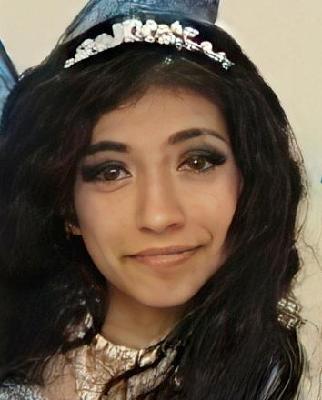
In the heat of a Chicago summer, on August 2, 2001, the life of Winifred Shines, a 33-year-old Black woman, was tragically cut short. Her body was discovered in an alley, a place of transit and refuse that became the final resting spot for a woman whose family remembers her with enduring love. The cause of death was determined to be strangulation, a brutal and personal act of violence that left her loved ones with decades of unanswered questions.
Winifred’s death was not an isolated
incident in a city grappling with violence. Her murder is one of at least 51 unsolved cases involving the strangulation or asphyxiation of women in Chicago between 2001 and 2018. This cluster of killings, identified by the nonprofit Murder Accountability Project, has led to the theory that one or more serial killers, sometimes referred to as the "Chicago Strangler," may be responsible. The victims in this pattern were predominantly Black women, and their bodies were often left in desolate locations like alleys, vacant lots, and abandoned buildings on the city's South and West Sides.
The similarities between the cases are chilling. Nearly all the women were strangled or suffocated, many were left partially or fully stripped of their clothing, and their bodies were discarded in some of the most neglected corners of the city. While the Chicago Police Department has reviewed these 51 cases, officials have stated there is not enough evidence to definitively link them all to a single killer. Still, for the families of the victims, the pattern suggests a terrifying connection and a shared, unresolved tragedy.
Winifred’s family has spoken about the deep and lasting pain of their loss. Her nephew, Marsean Shines, who was a teenager when she was killed, has shared the difficulty of moving forward. "I say I've moved on from what happened, put it in God's hands. But deep down I know I haven't," he said in an interview years later. He acknowledged his aunt's struggle with an addiction to crack cocaine, a vulnerability that may have placed her in harm's way. An arrest, he explained, would feel like cutting a cord that has kept him tethered to the trauma of her death.
Winifred's son, Bryant, has also lived with the profound grief of his mother's unsolved murder, seeking therapy to cope with the long-held sorrow. "I'm not at peace because he's still out there," he said, referring to the person who took his mother's life. His words reflect the constant, quiet fear that the killer could be someone they know, walking free while their family remains fractured by the violence.
The investigation into Winifred Shines's murder remains open but unsolved, as do the vast majority of the cases in the grim cluster to which she belongs. Her name is on a list with dozens of others—Angela Ford, Charlotte Day, Brenda Cowart, and so many more—each representing a life taken and a family left waiting for justice. For nearly two decades, the hope for answers has rested on the possibility of a new lead, a witness coming forward, or a DNA match from evidence collected at the scene. Until that day comes, Winifred Shines is remembered not for the darkness of her final moments, but for the love she inspired in her family, who continue to hold onto her memory while they wait for peace.