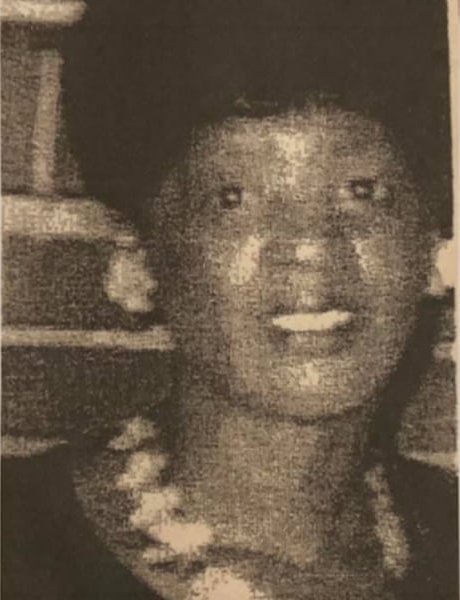
Emma Sue Berry, a 38-year-old female, was found dead on June 28, 1995, in the Buffalo community near LaFayette, Alabama. Authorities said she had been shot to death inside her trailer, turning what appeared to be an ordinary summer day in rural Chambers County into a homicide investigation that would remain unresolved for decades.
The known public details of Emma’s death are limited, but the setting is stark: she was discovered inside her own home, a place where she should have been safe. Law enforcement treated the case as a murder, and the passage of time has not closed it. Years later, officials were still seeking the piece of information that could explain who entered her trailer, what led to the shooting, and why Emma Berry was killed.
No publicly available online source located for this synopsis identifies a named suspect, reports an arrest, or describes charges, a trial, or a conviction in Emma Berry’s case. The case has instead been described as an unsolved murder and a cold case. That means investigators have either not publicly named a suspect or have not released enough evidence to support an arrest.
In 2021, authorities renewed public attention on the case by announcing a reward of up to $15,000 for information about Emma’s murder. The reward was described as a joint effort involving the state of Alabama and CrimeStoppers, with $10,000 coming from the state and $5,000 from the crime-fighting organization. The Chambers County Sheriff’s Department asked anyone with information to come forward, showing that investigators still believed someone might know something valuable about what happened inside Emma Berry’s trailer on June 28, 1995.
Decades after her death, Emma’s case remains defined by unanswered questions. She was killed in her home, in a small community near LaFayette, and the publicly reported record does not show that anyone has been held accountable. The renewed reward effort suggests investigators hoped that time, distance, or changing loyalties might finally bring forward a witness, a memory, or a confession capable of moving the case from a cold file toward justice.