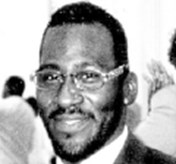
In Buffalo, New York, the name Esteban Torres carries the weight of a life that ended too soon and a circle of people left behind to carry what comes after. Esteban Torres was a 26-year-old White man, and the few known details—his name, his hometown, his age—feel almost unbearably small compared to what they represent: a full person with routines, memories, private jokes, and plans that didn’t get the chance to become real.
When someone dies young, the loss has a particular kind of shock to it, like the world has skipped a step. There is the immediate disbelief, the frantic need for something to make sense, and then the slow, aching realization that nothing will restore what’s been taken. For the people who knew him best, grief doesn’t arrive as a single moment; it comes in waves—quiet mornings that feel wrong, familiar streets that suddenly feel unfamiliar, and everyday sounds that remind them of someone who should still be here.
In the absence of more public details about what happened, the shape of the tragedy becomes even more haunting. A death without a clear narrative can feel like a door left half-open: there is a before and an after, but the middle is missing. Loved ones are often left trying to stitch meaning to fragments, replaying conversations, revisiting the last times they saw him, and holding tight to the small, ordinary pieces of him that now feel precious—texts saved, photos revisited, stories retold so they don’t fade.
What stands out most from what is known is not a list of facts, but the human ache behind them. A young man from Buffalo is gone, and that absence does not stay neatly contained. It touches family members who will carry a permanent hollow where a voice used to be, friends who will notice the empty space in a room before they remember why, and a community that has to reconcile yet another loss with the unrelenting forward motion of time. The grief can be both loud and quiet—tears in private, anger in the dark, moments of numbness that feel like betrayal because they aren’t pain, and pain that feels like betrayal because it never fully leaves.
With only the information provided here, there are no details to share about arrests, suspects, or any formal resolution connected to his death. That kind of silence can deepen the heartbreak, because it can leave people holding questions they never asked to have. Even when answers eventually come, they rarely offer comfort that matches the scale of what was lost; and when answers don’t come, the waiting becomes its own burden, stretching grief into something that doesn’t know where to rest.
Esteban Torres is more than the few identifiers that can be written down. Those who loved him will remember him in ways that can’t be captured in a record: the cadence of his laughter, the way he showed up, the moments he helped without making a show of it, the way he belonged to the city and the people in it. His death is a hard, permanent fact, but the meaning of his life is carried in the living—each memory repeated so it stays sharp, each story told again so it remains true, and each quiet promise made in the aftermath that he will not be reduced to a name alone.