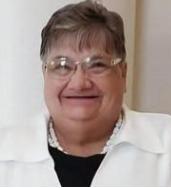
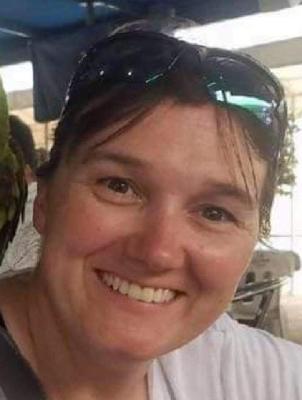
Loretta Davis was killed by gunfire in the south suburban village of Lansing, Illinois, on November 20, 2025. Online memorial records describe Loretta Davis, 56, as having been “lost to gun violence” that day in the community where she lived, with her death recorded as one entry in a growing national tally of shooting victims.
A brief Chicago Tribune report, visible in summarized form on news-aggregation sites, places her killing within a violent weekend that also saw the fatal shooting of Justin Bell outside a Walmart in Evergreen Park and another homicide in Harvey, Illinois, later identified as the killing of Sean A. Boyd II. In the Lansing portion of that coverage, the article notes only that a 56-year-old woman from the village died of a gunshot wound in a separate incident, without elaborating on the specific circumstances of where she was shot, what the setting was, or what may have led to the violence.
Beyond that short crime roundup, no additional publicly accessible news stories or official statements currently available online provide further narrative detail about Davis’s final moments. The memorial entry that links to the Tribune story lists the date of the shooting, the village of Lansing and the fact that she died due to gun violence, but offers no information about whether the shooting occurred inside a residence, on a street, or in a commercial area, and it does not describe any interaction with the shooter or emergency responders. Direct access to the underlying Gun Violence Archive incident record associated with her case is gated behind an interactive security check, which prevents the general public from easily seeing any additional data that might be stored there, such as the type of weapon used or the initial law-enforcement classification of the incident.
As of the latest online reporting at the end of November 2025, none of the accessible summaries or memorial pages referencing this cluster of shootings in Evergreen Park, Lansing and Harvey mention any named suspect, person of interest or arrest specifically connected to the killing of Davis. Public coverage instead treats her as one of several victims in a brief outline of regional gun violence, leaving crucial questions unanswered about who was responsible, what investigators know and how far the case has progressed. On the national gun-violence memorial page, her name sits alongside thousands of others, and visitors are invited to light virtual candles and add photos, memories and biographical details—one of the only visible avenues for family, friends and community members to publicly honor her life while they wait for more information about how and why she was killed.