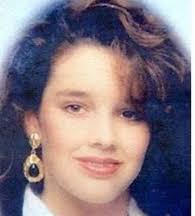
In the summer of 2004, a 24-year-old Hispanic woman named Julie Nieto vanished from the streets of Albuquerque, New Mexico. Her disappearance on July 15, 2004, marked the beginning of a long and painful chapter for her family, one that would eventually intertwine with a much larger and more sinister story unfolding in the city. For years, her whereabouts remained a mystery, a silent question in the minds of those who loved her.
The answer, when it finally came, was grim.
In February 2009, a woman walking her dog in the West Mesa area of Albuquerque stumbled upon a human bone. This discovery triggered an extensive search of the area, a construction site on the city's western edge. What authorities unearthed was a mass grave, the final resting place for the skeletal remains of 11 women and one unborn child. In March 2009, Julie Nieto was officially identified as one of the victims.
Investigators determined that sometime between 2004 and 2005, an unknown individual had killed Julie and buried her in the desolate mesa landscape. The victims of what became known as the West Mesa Murders shared common links; many, including Julie, had ties to drugs and prostitution. The case is believed to be the work of a serial killer, often referred to as the "West Mesa Bone Collector," but no one has ever been charged in connection with the deaths.
Over the years, several individuals have been considered persons of interest, but no definitive suspect has been named. Lorenzo Montoya, a man with a history of violence against sex workers who lived near the burial site, was one such person. He was killed in 2006, and the murders appeared to stop after his death. Another person of interest is Joseph Blea, a convicted serial rapist. However, despite investigations into these and other individuals, no arrests have been made in the death of Julie Nieto or any of the other West Mesa victims. The case remains a haunting open wound for the city of Albuquerque and for the families left behind, still waiting for justice.