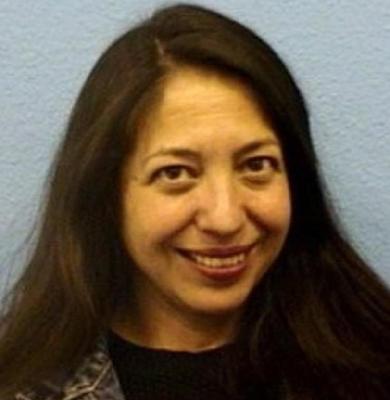
Virginia Cloven, 24, a female Hispanic from Albuquerque, vanished on April 13, 2004. Her family later said the regular phone calls home stopped in the fall of that year, and worry hardened into dread when news broke years later that human remains were surfacing on the city's West Mesa. In February 2009, a woman walking her dog found a bone on the scrubland near 118th Street SW, and the discovery opened a clandestine graveyard where eleven girls and women—one of them pregnant—had been buried
between 2003 and 2005. Months later, in November 2009, authorities identified the skeletal remains of Virginia Cloven, 24, confirming that she was among the victims.
Investigators believe Virginia Cloven, 24, a female, was killed sometime between 2004 and 2005, her body secretly interred in the desert just west of the city as development crept closer to the arroyo banks. The City of Albuquerque's case summary for the West Mesa investigation lists her by name and age and notes the likely window of her death and burial near 118th Street SW. The broader case file recounts how construction grading, stormwater work, and the collapse of real-estate development after 2008 ultimately exposed the graves—an accident that transformed a windswept mesa into one of New Mexico's most haunting crime scenes.
No one has ever been arrested for killing Virginia Cloven, 24, a female, or for the other West Mesa murders. Police have repeatedly said the perpetrator is unknown and have maintained a reward—today advertised as up to $100,000—for information that leads to an arrest and prosecution. The investigation remains active; memorial gatherings and police appeals on significant anniversaries underscore that the case is open, the questions are unresolved, and tips are still sought by the task force.
Over the years, detectives scrutinized several men as persons of interest but did not bring charges. Attention has often centered on Lorenzo Montoya, who lived less than three miles from the burial site and was shot to death in December 2006 after strangling a 19-year-old sex worker; the disappearances appear to stop around the time of his death, but investigators have said they cannot confirm he committed the West Mesa murders. Another man, Joseph Blea—later convicted in unrelated sexual assaults—drew interest because of past violence, comments he allegedly made about the victims, and circumstantial links such as a nursery tag found near the graves that traced back to a business he frequented. Despite these leads, authorities emphasize that there is no definitive suspect and that the case hinges on new information.
For Virginia Cloven, 24, a female, the official portrait is stark and achingly brief: last seen in Albuquerque on April 13, 2004; identified through DNA in November 2009; believed killed in the mid-2000s and buried with other victims on the West Mesa. The cruelty of her end is matched only by the persistence of the investigation that bears her name among the eleven, a file still open and waiting for the piece of evidence—or the voice—that can finally tell the full story and secure justice.