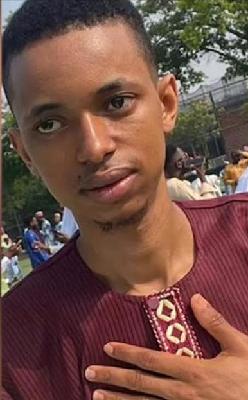
In the pre-dawn hours of February 4, 1999, a 23-year-old man named Amadou Diallo, an immigrant from Guinea, stood on the steps of his own apartment building in the Bronx. He was unarmed and had no criminal record, a hardworking street vendor who was saving money with dreams of attending college. His life, full of promise and aspiration, was about to come to a sudden and violent end in a hail of gunfire that would ignite a firestorm of controversy and outrage across New York City and the
nation.
On that night, four plainclothes officers from the New York Police Department's Street Crime Unit were patrolling the area. The officers, Sean Carroll, Edward McMellon, Kenneth Boss, and Richard Murphy, later stated they believed Diallo matched the description of a serial rapist they were searching for. As they approached him in their unmarked car, the encounter quickly escalated. The officers shouted for him to show his hands. It is believed that Diallo, possibly mistaking the plainclothes officers for muggers, reached into his pocket to pull out his wallet. One officer, Carroll, yelled 'Gun!' to his partners.
What happened next was a fusillade of 41 shots fired by the four officers in a matter of seconds. Nineteen of those bullets struck Amadou Diallo, killing him almost instantly in the vestibule of his building. The object he had reached for was not a weapon, but his wallet. The sheer number of shots fired at an unarmed man sparked widespread protests and accusations of police brutality and racial profiling. The incident drew in civil rights leaders and led to numerous demonstrations where many, including public figures, were arrested while protesting the killing.
In the aftermath, the four officers were arrested and indicted on charges of second-degree murder and reckless endangerment. The intense media scrutiny and public outcry led to the trial being moved from the Bronx to Albany. On February 25, 2000, a jury acquitted all four officers of all charges, a verdict that was met with disbelief and further anger from many in the community. While the criminal trial ended in acquittal, the family of Amadou Diallo later filed a wrongful death lawsuit against the city of New York, which was settled for $3 million. The special police unit the officers belonged to was also disbanded following the controversy.