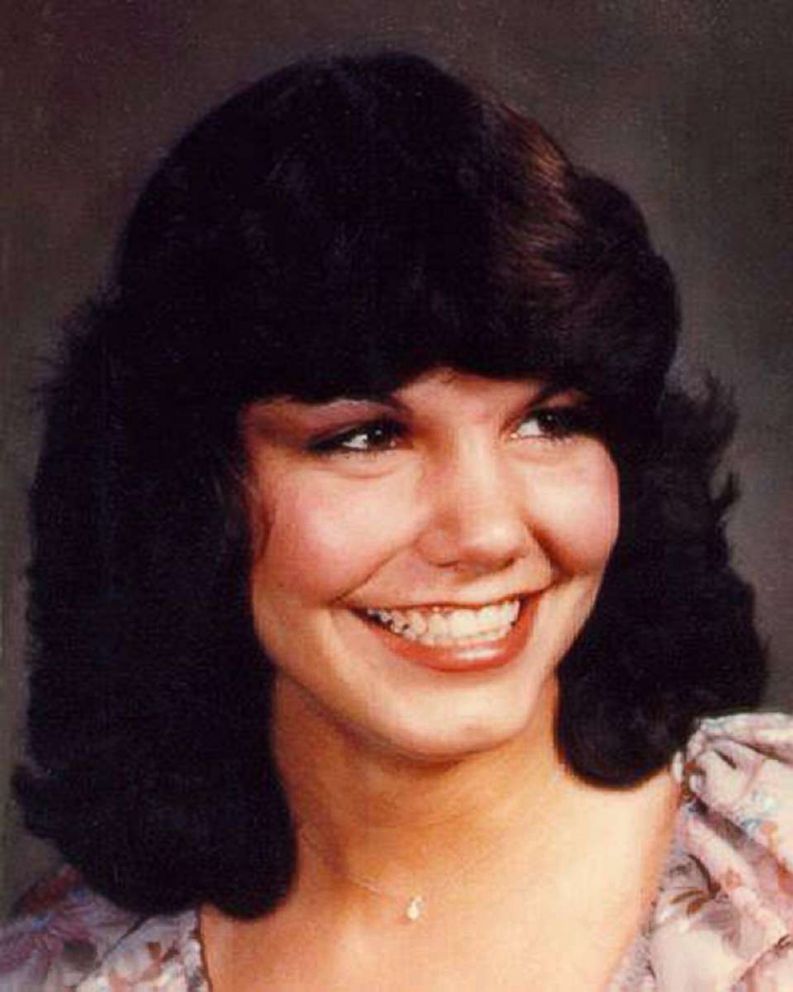
In the winter of 1992, the community of Milford, Michigan, was shaken by the disappearance of 15-year-old Cynthia Marie Jones. A white female, Cynthia was a bright and promising student, an honor roll student who played the flute and was a cheerleader. She had dreams of becoming a criminal psychologist. On the evening of January 4, 1992, Cynthia was with her boyfriend in his car at Central Park in Milford when a man armed with a knife approached them.
The assailant tied her boyfriend to a tree and abducted Cynthia, setting in motion a tragic chain of events that would end in her murder.
For months, Cynthia's whereabouts remained unknown, leaving her family and the community in anguish. The break in the case came in May 1992 with the arrest of Leslie Allen Williams, a 38-year-old parolee from Detroit. Williams was apprehended after attempting to abduct another woman. Following his arrest, Williams confessed to the murders of four teenage girls, including Cynthia Marie Jones. He had a lengthy criminal record and had been controversially paroled in 1990.
After his confession, Williams led authorities to the shallow graves of his victims in rural areas of Oakland and Genesee counties. Cynthia's body was discovered in a field in Milford Township. The investigation revealed that after abducting her, Williams had raped and then fatally stabbed her in the chest. His confession brought a horrifying clarity to the disappearances of not only Cynthia but also 18-year-old Kami Villanueva and sisters Melissa and Michelle Urbin, aged 14 and 16.
The case sparked public outrage and intense scrutiny of the Michigan parole system that had allowed a violent offender back on the streets. Leslie Allen Williams was convicted for the abduction, rape, and murder of Cynthia Marie Jones. During his sentencing, Cynthia's mother, Alana Hoeft, delivered a heart-wrenching impact statement, describing her daughter as her best friend and detailing the devastating loss her family endured. The court sentenced Williams to life in prison without the possibility of parole, ensuring that he would no longer be a threat to the community. He received additional life sentences for his other crimes and remains incarcerated.