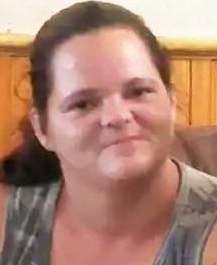
Lisa Haenel, a 14-year-old White girl from Glen Burnie, Maryland, set out on the morning of January 15, 1993, on a route she knew well—heading toward Old Mill High School along her usual path. When she didn’t arrive, worry quickly hardened into panic, and the day turned into a search marked by the kind of dread every family fears but never expects to meet head-on.
By the following morning, the search ended in the worst possible way.
Her body was discovered in a ravine behind the school grounds, a place close enough to feel hauntingly familiar and yet far enough to hide what had happened until daylight and persistence dragged it into view. She had been stabbed and strangled, and investigators treated the area like a frozen moment in time—every footprint, every discarded item, every fragment of evidence suddenly precious.
For years, the case sat in that painful space between memory and mystery, but the evidence collected didn’t fade the way leads and rumors do. Advances in DNA technology—and the work of investigators who revisited old files instead of shelving them—eventually connected her killing to other murders in Anne Arundel County. A cigarette found near her body became a quiet but pivotal clue, helping generate DNA that would later point to a man already locked away for another homicide.
In July 2004, police charged Alexander W. Watson Jr. with first-degree murder in her death, along with two other cold cases from the county. At that time, he was already serving a life sentence without parole for the 1994 murder of Debra Cobb in Prince George’s County, and authorities described DNA databases as the crucial bridge between crimes separated by years and geography.
The legal endgame came in August 2007 in Anne Arundel County Circuit Court in Annapolis, when Watson pleaded guilty to all three killings tied to the DNA investigation. Prosecutors had been preparing to seek the death penalty, but the victims’ families pushed for a plea agreement that would force an admission of guilt across the cases rather than risking uneven outcomes at trial. Under the deal, he received life in prison without the possibility of parole, stacked onto the life sentence he was already serving—an ending that ensured he would never walk free, even if it couldn’t restore what was taken on that winter morning in Glen Burnie.