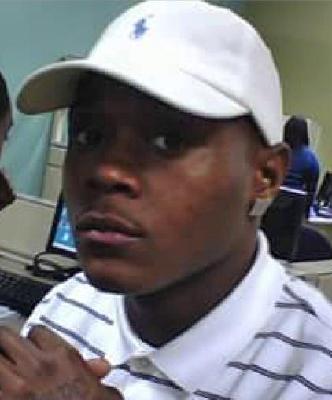
Charles Golston, a 63-year-old male whose race was recorded as Other, became one of the victims in a series of violent home attacks that terrorized Milwaukee in 1979 and 1980. His ordeal began on January 25, 1980, when he was brutally attacked inside his Milwaukee home. Investigators later determined that David Allen Van Dyke struck Golston in the head with a claw hammer, leaving him critically injured. A friend discovered Golston bleeding and unconscious after the assault.
Golston survived the initial attack but never regained consciousness. He remained hospitalized in a coma for more than three months as doctors treated the devastating injuries inflicted during the beating. His condition ultimately proved irreversible, and Golston died from the injuries on May 13, 1980. Because his death resulted from the January assault, the case became one of the homicides ultimately attributed to Van Dyke.
Golston's attack was eventually recognized as part of a broader series of murders committed in Milwaukee between July 1979 and April 1980. Van Dyke's victims were attacked inside their residences, often after he gained access to their homes under seemingly harmless circumstances. He used weapons that were readily available, including knives, scissors, a tire jack and a claw hammer, and investigators found similarities among the crimes that eventually allowed them to consider the killings as the work of the same offender.
For months after Golston was attacked, police did not have Van Dyke in custody. The investigation began to break open after detectives compared fingerprint evidence from the murder investigations with prints belonging to people arrested for burglaries. On May 23, 1980, Van Dyke was arrested in connection with an attempted burglary. His fingerprints were compared with evidence recovered during the homicide investigations, providing investigators with the link they had been seeking.
Following his arrest, Van Dyke was questioned for several hours. Accounts of the investigation state that he confessed to the series of killings during interrogation, at times becoming emotional and crying. Authorities ultimately charged him with six counts of first-degree murder, along with attempted murder and armed robbery charges stemming from another attack in which a woman survived. Golston's fatal beating was included among the six murders attributed to him.
Van Dyke went to trial in February 1981. During the proceedings, he challenged the prosecution's case and accused police of manufacturing his confessions. Taking the witness stand against the advice of his attorney, he acknowledged an extensive history of burglary but maintained that he did not normally hurt people when confronted during those crimes. His testimony also attempted to explain away evidence surrounding the surviving victim's injuries, but prosecutors presented the physical evidence, fingerprint connections and statements developed during the investigation.
After approximately four and a half hours of deliberation, the jury rejected Van Dyke's defense and found him guilty on all charges. He received six life sentences for the murders, along with an additional 40 years associated with the other offenses. At the time, the punishment was described as the longest sentence imposed in Wisconsin history. The conviction established David Van Dyke as the man legally responsible for the attack that left Charles Golston comatose for months and ultimately caused his death.