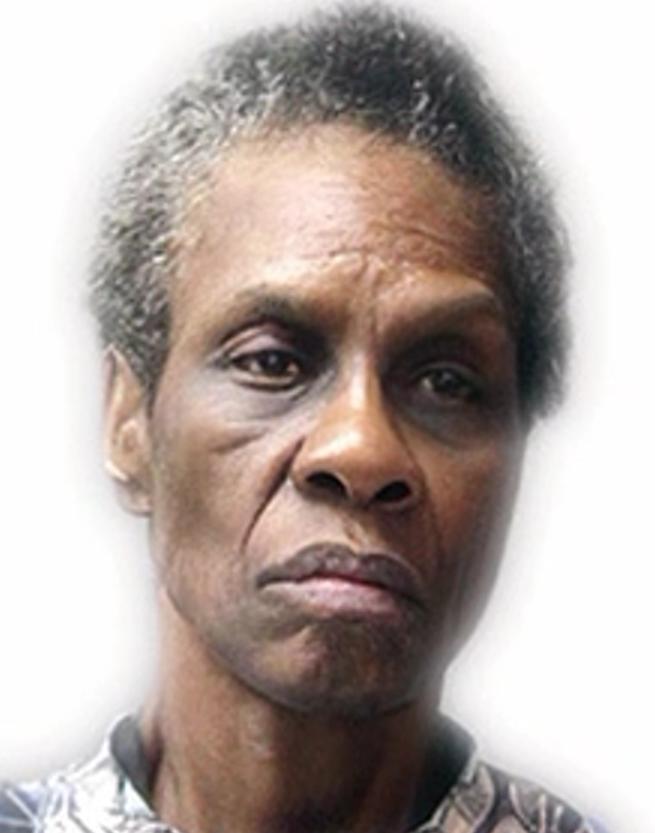
Priscilla Mosley was a 49-year-old Black woman from Washington, D.C., found dead in 1997 inside her apartment on the 600 block of Newton Place NW, a short walk from Princeton Place in the Petworth/Park View area. Neighbors knew her around Princeton Place, where the sudden, grim rhythm of women turning up dead had already unsettled the streets. Police began to widen their lens, comparing cases and canvassing the neighborhood, searching for links that might explain how women who knew the same corners and many of the same people were dying within blocks of one another.
As detectives reworked timelines and autopsy files, they focused on patterns—women connected to the same stretch near Georgia and New Hampshire avenues, bodies found in or near homes and vacant buildings, and signs that pointed toward sexual violence and strangulation in some of the cases. Mosley’s body being discovered on Newton Place fit the geography of fear the neighborhood had learned too well. Reports later described her as having been sexually assaulted and strangled, details that echoed across other victims tied to the same area and timeframe, deepening the sense that a single hand might be responsible.
The widening investigation soon circled a man who lived steps from Princeton Place: Darryl Donnell Turner. In the months that followed, prosecutors took cases they believed they could prove—securing an indictment in August 1998 that included murder and sexual abuse counts tied to other women from the same cluster—and the narrative of a predator haunting those blocks began to harden. Even as charges moved forward in some killings, Mosley’s case did not produce an arrest specific to her death. The official story that emerged is one of proximity and pattern: a victim found two blocks from a suspect’s home, a neighborhood stitched together by overlapping lives, and a series of crimes whose similarities were as compelling as they were terrifying.
In the years after, Turner would face courtroom reckonings for multiple murders from that period, reinforcing investigators’ belief that the Petworth deaths were connected. But for Priscilla Mosley, the file remains absent a named defendant: no arrest for her killing alone, no charge that carries only her name. What endures is the map—the apartment on Newton Place, the corridor to Princeton Place—and the memory of a woman whose death helped force open an inquiry that treated five lives not as isolated tragedies but as parts of a single, urgent mystery.