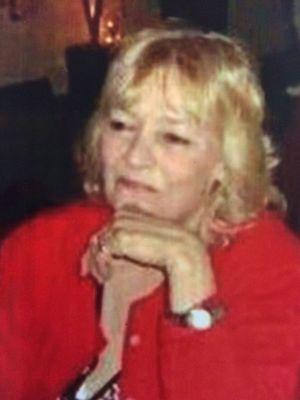
Doris Orly Hayes, a 48-year-old African American female, was killed in St. Louis, Missouri, on April 10, 1988, after crossing paths with a man named Jerry Lee Little Jr. at night school. According to later accounts tied to the investigation and prosecution, the connection began in a setting meant for second chances and routine self-improvement, but it ended with Hayes becoming one more name in a string of killings that investigators would not fully stitch together until months later.
In the weeks that followed other violent deaths in the city, police attention increasingly narrowed onto Little. By late July 1988, he had surfaced as a suspect in the killings of Sister Patricia Ann Kelley and Imogene Jackson, crimes that drew investigators into a tighter circle around his daily life and his proximity to the scenes. St. Louis police leadership described deploying a dedicated “priority squad” of detectives working the case full time, and that intensified focus culminated in Little being taken into custody for questioning on August 4, 1988.
What turned the investigation from suspicion into a prosecutable narrative was what happened during interrogation. Reports describe Little giving confessions that expanded beyond the cases that first put him under the microscope, with investigators later attributing to him admissions not only about the murders already under active scrutiny but also about Hayes’s killing on April 10. Those confessions, described as recorded on video, became the backbone of the case as authorities moved from investigative theory to formal criminal charges and preparation for trial.
The legal outcome, as summarized in later reporting and case overviews, was that Little was ultimately convicted for multiple murders from that period in St. Louis. The proceedings culminated in a life sentence in 1990, with accounts stating that the convictions covered four killings in total, including Hayes’s death, and that the punishment amounted to multiple life terms. In the end, the case left a clear answer as to who authorities said was responsible: Little was the identified suspect, the arrested defendant, and the person convicted—closing the criminal question in court even as the details of each individual victim’s final hours remained largely known to the public through what was later recounted from the investigation and confession.