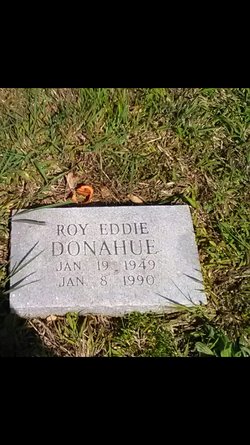
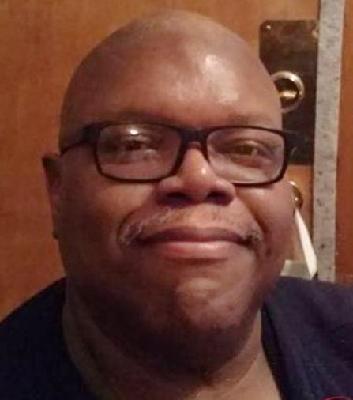
In the early days of January 1990, a violent series of events began to unfold across the Midwest, eventually claiming the life of 40-year-old male Roy Eddie Donahue. Roy was visiting the home of his stepfather, Frankie Thomas Merrifield, located in the vicinity of Montrose and Clinton, Missouri. The two men were spending time together when they were joined by three acquaintances who had recently traveled from Kansas City: Robert Wesley Knighton, a 48-year-old career criminal who had recently absconded from a halfway house, his 20-year-old girlfriend Ruth Renee Williams, and a 17-year-old associate named Lawrence Lingle Brittain. The group gathered at the residence, where they shared drinks and conversation, seemingly unaware of the deadly intentions harbored by the visitors.
The atmosphere in the home shifted drastically when Merrifield, believing he was among friends, decided to show Knighton his collection of firearms. He brought out a pearl-handled. 22-caliber pistol and handed it to Knighton, inviting him to inspect it. In a sudden and unprovoked act of brutality, Knighton turned the weapon not on a target, but on Roy Donahue, shooting him in the back of the head. Before Merrifield could react to the horrific turn of events, Knighton turned the gun on him as well, fatally shooting him. The trio then ransacked the home, stealing the pistol used in the murders, a. 38-caliber revolver, a rifle, and a small amount of cash before fleeing the scene in a stolen van.
Following the double homicide in Missouri, the perpetrators drove south into Oklahoma, continuing their crime spree. Two days later, they targeted an isolated farmhouse near Tonkawa, Oklahoma, where they murdered an elderly couple, Richard and Virginia Denney, in a similar fashion. The spree finally came to an end in Canadian, Texas, where local authorities apprehended Knighton, Brittain, and Williams. The three were found in possession of the stolen items and the vehicle taken from the Oklahoma victims.
The subsequent legal proceedings resulted in severe consequences for the parties involved. Lawrence Brittain cooperated with prosecutors, pleading guilty to his role in the crimes, and was sentenced to two concurrent life terms in prison. Ruth Renee Williams also pleaded guilty as an accessory after the fact and received concurrent 15-year prison sentences. Robert Wesley Knighton, identified as the ringleader and the triggerman in the killings, was convicted of first-degree murder. He was sentenced to death for his crimes and spent over a decade on death row. On May 27, 2003, Knighton was executed by lethal injection at the Oklahoma State Penitentiary.