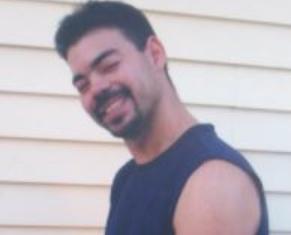
Richard Denny, 34, a Hispanic/Latino man, was shot in the early morning hours of November 15, 2019, in a quiet stretch of Independence, Missouri, near East 15th Street and South Hedges Avenue. Around 6:50 a.m., police were dispatched on reports of gunfire and arrived to find two people suffering from gunshot wounds. In the scramble that followed, both victims were rushed to a hospital, but Richard did not survive his injuries, turning what began as a frantic emergency call into a homicide
investigation before the day was fully underway.
The scene—near homes and neighborhood streets—became the focus of investigators working to piece together what happened in the moments before the shots. Public details released at the time were sparse, offering little about a motive, the events leading up to the violence, or how the shooter approached and got away. What was clear was that it wasn’t a single-victim incident: another person had been wounded in the same burst of violence, suggesting a confrontation or targeted encounter that spilled over fast and left lasting damage.
As the case continued, investigators appealed for help and information, signaling that they were still trying to pin down the critical missing pieces. In a public request tied to the homicide investigation at the 10600 block of E. 15th Street on the morning Richard was killed, authorities indicated they wanted to speak with a person identified by the surname Hernandez, and they also referenced seeking information about Fernandez’s whereabouts, asking anyone with information to contact the Independence Police Department or the TIPS hotline.
No publicly available follow-up reporting tied to this incident described an arrest, named charges, or a case proceeding through trial in connection with Richard’s death. The public-facing trail instead reflects an investigation that relied on community leads—someone seeing a vehicle, recognizing a name, remembering an argument, or placing a person at that location around the time the morning shattered—because the answers that mattered most were not immediately obvious at the scene.