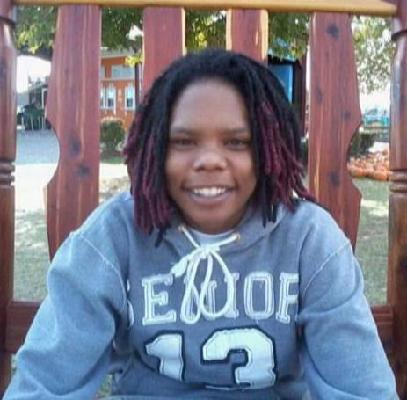
On August 16, 1986, the body of 23-year-old Naomi Kelly was discovered in a park located at 10th and Harrison streets in downtown Kansas City, Missouri. A single mother of two who was attending business school to improve her family's future, Kelly had been brutally strangled. When authorities found her, a towel was tied around her neck and face. Her death was part of a terrifying string of homicides targeting women in the area, yet for decades, the case remained unsolved, leaving her grieving
family without answers.
For years, the investigation into Kelly’s death—and the deaths of several other women in Kansas City—stalled as leads dried up. The killings, which occurred between 1977 and 1993, were eventually attributed to an unknown assailant dubbed the 'Kansas City Strangler.' It was not until the early 2000s that a major breakthrough occurred. Kansas City police, utilizing a federal grant to re-examine evidence from cold cases, submitted DNA samples from the crime scenes for modern analysis. The results pointed to a single individual who had been living in the community while working as a trash company supervisor.
In April 2004, authorities arrested Lorenzo Gilyard after his DNA was matched to evidence recovered from the victims. Gilyard, who had a history of legal troubles, was charged with multiple counts of first-degree murder, including the death of the female victim, Naomi Kelly. During the subsequent legal proceedings, prosecutors presented the DNA evidence as the linchpin of their case, linking Gilyard to the women he had strangled and discarded in secluded areas throughout the city.
The trial concluded in March 2007, bringing a long-awaited resolution to the families of the victims. A judge convicted Gilyard of six counts of first-degree murder, finding him responsible for the deaths of Kelly and five other women. He was sentenced to life in prison without the possibility of parole, ensuring that the man responsible for cutting short Naomi Kelly's life and depriving her children of their mother would spend the remainder of his days behind bars.