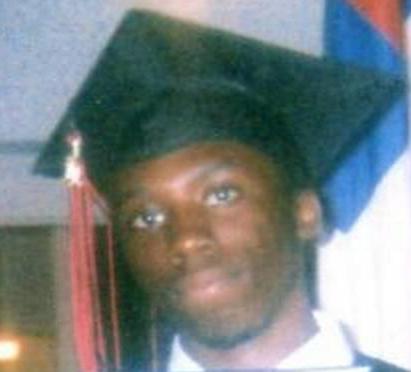
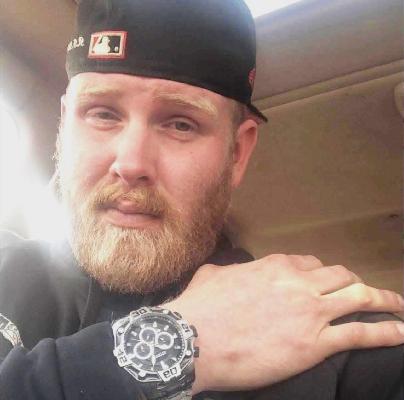
Elisio G. Mederos, 60, is remembered here with far too many blanks left where a life’s story should be filled in. From Kansas City, Missouri, Elisio carried a name that still deserves to be spoken with care, even when the public record offers almost nothing about the day their life ended. The absence of details doesn’t make the loss smaller; it makes it lonelier, like a light going out behind a curtain no one is allowed to open.
There is no date given, no public telling of what happened in the final hours, no description of where Elisio was last known to be, or what circumstances surrounded their death. In cases like this, silence can feel like a second wound—one that spreads through everyone who might have known them, leaving grief to do all the talking. A person does not become a footnote just because the story is incomplete. Elisio was more than the fragments: more than a line on a page, more than an entry that stops short of explaining how or why.
Kansas City is a place of neighborhoods and routines—streets that carry people to work, to family, to errands, to ordinary moments that add up to a life. Somewhere in that city, Elisio moved through days that mattered: small choices, familiar places, voices that recognized them. Even without the details, it’s easy to imagine the ripple that follows a death like this—the sudden pause in a circle of acquaintances, the unanswered messages, the uneasy realization that someone is missing not because they drifted away, but because they were taken.
What’s hardest about the limited information is how it leaves the ending unanchored. When a death has no publicly shared narrative, the mind reaches for something to hold: a timeline, a cause, a reason, a suspect, a sense of progress. None of that is present here. There is no information provided about arrests, named suspects, or any court proceedings. That lack does not mean there were no leads, no efforts, no long nights spent trying to piece together what happened—it only means those answers are not available in what has been shared.
And still, the name remains. Elisio G. Mederos. A full name, a full life, and a loss that should not be reduced to uncertainty. Someone, somewhere, remembers Elisio’s voice, their habits, the way they laughed or sighed or moved through a room. Someone remembers a birthday, a favorite meal, a small kindness, an argument, a story told more than once. Those memories don’t solve anything on their own, but they give weight to what has been lost, and they insist that this person mattered.
In the end, the most honest telling is also the most painful: Elisio’s death is described without the answers that families and communities ache for. The story stops where it should begin to make sense, leaving only the enduring fact of absence. Yet even in that absence, there is a quiet demand for dignity—an insistence that Elisio not be forgotten, that their name not fade into a file or a passing mention, and that whatever truth exists about what happened in Kansas City be treated as something worth pursuing until it is finally brought into the light.