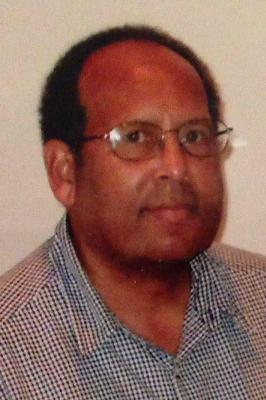
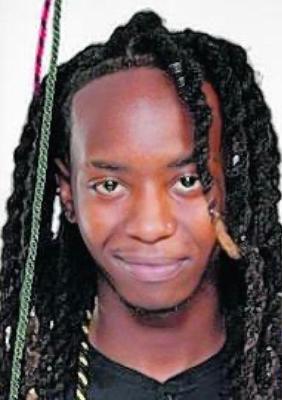
In the spring of 1999, the life of 21-year-old Manuel Reed, a Black male from Kenner, Louisiana, was tragically cut short. On May 21st of that year, his path fatefully crossed with a predator who had been haunting the bayous of Louisiana, a man whose quiet demeanor concealed a monstrous secret. This man was Ronald Dominique, who would later become known as the Bayou Strangler.
Manuel was lured into Dominique's truck, a place that would become the last terrifying moments of his young
life. Inside the confines of the vehicle, he was subjected to a brutal assault before being strangled to death. His body was later discarded in a dumpster in an industrial area of the city, a desolate and lonely end for a life full of promise. The location where his body was found was chillingly close to where another of Dominique's victims had been discovered.
For years, the truth behind Manuel Reed's murder, along with the deaths of many other young men in the region, remained a painful mystery for their families and a perplexing challenge for law enforcement. The cases grew cold, but the search for answers never completely faded. It wasn't until 2006 that a breakthrough in the string of unsolved murders finally brought a name and a face to the killer.
Ronald Dominique was arrested and, in a series of chilling confessions, admitted to the murders of at least 23 men and boys between 1997 and 2006, including the murder of Manuel Reed. His confession brought a grim resolution to years of uncertainty and pain for the families of his victims. Dominique was subsequently charged with the murders of Manuel Reed and another victim, Oliver LeBanks, and ultimately confessed to the full scope of his horrific crimes.