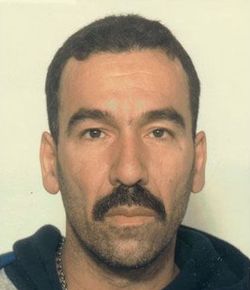
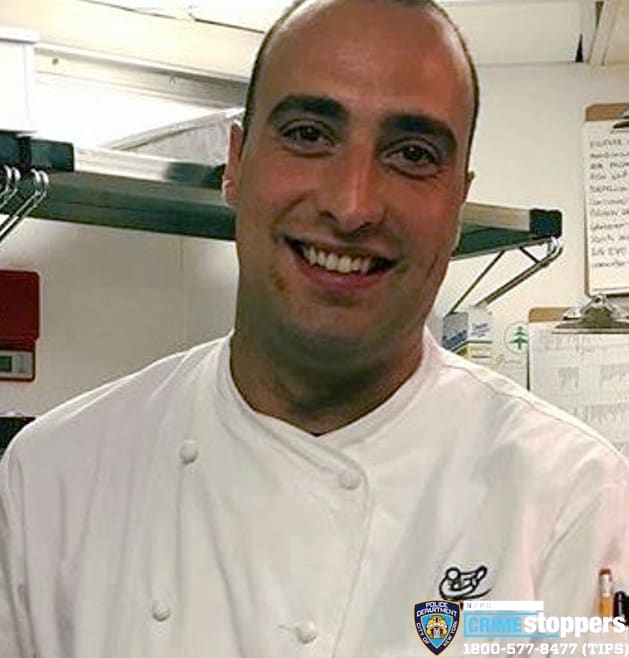
Victor LaGromba, a 36-year-old man from New York City, was killed in Harlem in September 1986, a season when the city’s streets and stairwells could turn suddenly, brutally quiet. Accounts place the shooting on West 156th Street, where he was struck down in a burst of gunfire that left little behind except questions and a name that would later be spoken in courtrooms more than once.
In the version of events prosecutors would later lay out, the killing unfolded as a robbery in progress: two drug dealers were being held up inside an apartment when LaGromba unexpectedly walked in, turning a planned theft into a frantic pivot. The state’s narrative held that Larry Davis—already notorious to police—reacted instantly, firing and leaving LaGromba dead where he stood. Investigators pointed to ballistics work that, they said, linked a. 32-caliber revolver associated with Davis to the killing, turning a technical match into the backbone of their accusation.
But the case never settled into a single, uncontested story. Some memorial-style listings compress the date to September 1, 1986, while other accounts place it later in the month, reflecting the way older cases can splinter into competing timelines as they pass through different record-keepers and retellings. What stayed consistent was the setting—Harlem—and the fact that LaGromba’s death became one more entry in a cluster of violence that investigators and prosecutors believed orbited the same small circle of armed men.
Davis himself was arrested later in 1986 after a widely publicized confrontation with the NYPD, and his name became inseparable from the era’s fevered mix of gun cases, drug prosecutions, and claims of police corruption. By October 1989, he was on trial specifically for LaGromba’s murder. The defense tried to pull the ground out from under the prosecution’s timeline, calling witnesses who said Davis was in Florida on the day of the killing, working on a rap recording project—an alibi meant to replace the apartment doorway in Harlem with a studio far away. After weeks of testimony and deliberations, the jury returned a not-guilty verdict in December 1989, leaving LaGromba’s killing without a conviction in that case, even as Davis continued to face—and fight—other charges tied to the same violent period.