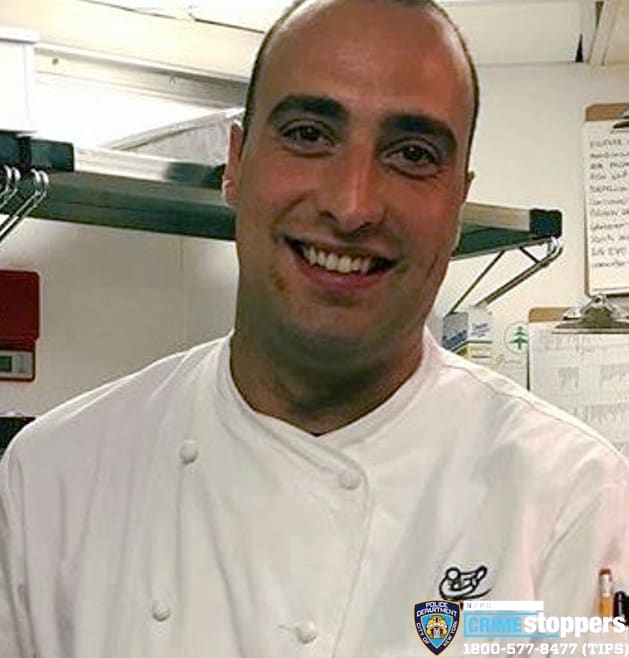
Anthony Edward Marrero, 44, a Hispanic/Latino man, was living in New York City when he slipped out of view on May 6, 1993, last seen in the churn of midtown Manhattan near the Port Authority Bus Terminal, where he was known to work the streets as a sex worker.
Days later, the city’s noise gave way to a quieter, uglier discovery across the river.
On May 10, 1993, along a rural stretch off Crow Hill Road in Manchester Township, New Jersey, someone found plastic bags that weren’t heavy with trash but with what had been carefully hidden: six bags holding his remains. He had been cut into seven pieces—arms, legs, torso split, and head—cleaned as if the killer meant to erase the scene, but not the message. The medical findings pointed to multiple stab wounds as the cause of death, and the manner of disposal suggested patience, strength, and a chilling familiarity with what comes next after the knife.
Investigators soon realized the brutality wasn’t isolated, and that recognition carried its own dread. In the early 1990s, other men had vanished after nights that began in Manhattan’s gay bars or around the same midtown corridor, only to be found later as dismembered remains wrapped in garbage bags and abandoned along highways in surrounding states. The pattern—stab wounds, meticulous packaging, bodies washed clean—earned the unknown killer a grim nickname in the press, and the case spread beyond any single jurisdiction, demanding cooperation that hadn’t come easily at first.
For years, the trail stayed cold, until advances in forensic work changed what evidence could speak. Fingerprints lifted from the plastic bags became the turning point, and the investigation narrowed toward Staten Island, where certain items tied to earlier dumps had been sold and where the suspect seemed to live or move routinely. When the prints were finally matched to an old set taken decades earlier in a 1973 Maine murder case, a name rose out of the haze: Richard W. Rogers Jr., a nurse who had built a reputation as mild-mannered and ordinary while carrying something far darker beneath it.
On May 28, 2001, police approached Rogers at work under the pretense that he was a victim of credit card fraud, then confronted him with the murder investigation. After he acknowledged knowing one of the victims from the nightlife scene and realized how close investigators were, he asked for an attorney and was arrested. The case against him leaned heavily on fingerprints found on the bags holding Marrero’s remains, as well as circumstantial evidence gathered during searches and the broader pattern linking the series of killings.
Rogers ultimately went to trial in New Jersey, where prosecutors argued that the careful dismemberment and disposal were not coincidences but a signature repeated across victims. A jury found him guilty on November 10, 2005, for the killing tied to Marrero and for another similar murder, convicting him of murder charges along with hindering apprehension. He was sentenced on January 27, 2006, to consecutive terms that effectively ensured he would spend the rest of his life in prison, with a minimum of decades before parole eligibility. Though authorities and prosecutors have connected him to additional killings from that same period, those other cases were not resolved with new convictions, leaving parts of the story still hanging—names and lives bound together by one predator, and one death in 1993 that helped expose him years later.