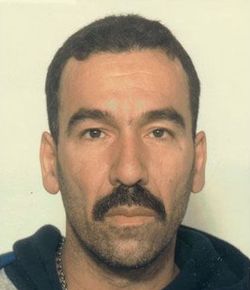
In the cold hours around 4 a.m. on October 30, 1986, a robbery attempt unfolded inside a Bronx apartment house and ended in sudden, close-range violence. Among the men caught in that moment was Angel Castro, a 35-year-old Hispanic man. He was shot to death in the apartment during an attack prosecutors described as aimed at taking cash and narcotics from cocaine dealers, a raid that left three other men dead as well: Hector Hernandez, Juan Rodriquez, and Jesus Perez.
As the story spilled out into the streets and into court papers, authorities alleged that the assailants moved through the building looking for a particular person who could lead them to drugs, and that when cooperation didn’t come, the encounter turned lethal. A Bronx grand jury later indicted Larry Davis and Ricardo Burgos in connection with the killings and the attempted robbery, while investigators also sought two additional men said to have been with them. Public accounts from the period tied the indictment to a broader hunt for Davis that ended when he surrendered in early December 1986.
Court records show the case quickly became entangled with bigger legal battles and intense public attention. Burgos was indicted in Bronx Supreme Court on multiple counts including murder, attempted robbery, and firearm offenses, and the proceedings around his representation became contentious enough to spill into federal court filings.
For Davis, the four-death case became one piece of a larger saga that would define his notoriety: the same year, he was also at the center of the infamous shootout with NYPD officers during an attempted arrest. News reporting later noted that Davis—who had already faced a jury over the four killings—was acquitted of killing the four suspected drug dealers earlier in 1988, even as other charges in his broader legal troubles continued to move forward in separate cases.
Burgos’s legal outcome, as reflected in an appellate decision, did not end with a murder conviction in that ruling; instead, it records that a Bronx Supreme Court judgment rendered May 9, 1990 convicted him after a jury trial of four counts of attempted robbery in the first degree, with concurrent prison terms of 5 to 15 years ordered to run consecutively to a sentence from a separate New York County indictment.