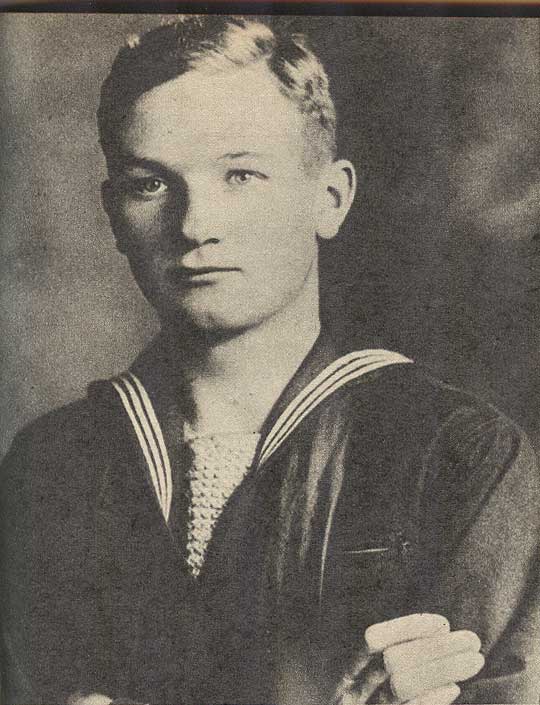
In 1974, Michael Hurd, a man from New York City, was killed in a shooting that later appeared in victim lists tied to a violent run of robberies attributed to teenage offender George C. Adorno. Later summaries of Adorno’s crimes identify Hurd as one of the people shot to death during that early spree, alongside other victims from the same period, but public write-ups preserve almost none of the intimate details that would usually survive a killing in a city that keeps moving—no widely
circulated account of Hurd’s last ordinary hours, no clear public record of where the gunfire found him, only the hard fact of a life ended and a name that resurfaces when Adorno’s case is retold.
What can be traced more clearly is the legal path that followed the 1974 bloodshed. According to a widely repeated account, Adorno—born in 1959 and already notorious to police—was charged at 15 with a triple homicide committed during a robbery, then gave a confession to a New York district attorney in the presence of Adorno’s sister. That confession was later thrown out by a juvenile magistrate because Adorno’s mother, who spoke no English, had not been summoned; with the confession suppressed, three homicide counts were dismissed. Adorno was instead convicted of a lesser robbery charge and sentenced to three years of confinement, and the court ordered the juvenile record sealed—an outcome that left the dead anchored to rumor and secondary lists rather than a public homicide conviction bearing their names.
After serving about half the robbery sentence, Adorno was released—and, by that same account, was free only nineteen days before killing again. The new death, far better documented in later coverage of Adorno’s trajectory, was the 1977 shooting of cab driver Steven Robinson, described as a Black law student driving a taxi to pay tuition. The pattern—street violence tied to robbery, the abrupt swing from release to killing—became the grim coda that cast the earlier 1974 deaths, including Hurd’s, in even harsher light: not an isolated tragedy, but an early chapter in a story where the system’s procedural missteps and limits on juvenile prosecution shaped what could be proven in court.
That final case did bring formal resolution. Adorno entered a guilty plea on July 12, 1977, and received a sentence of fifteen years to life. Two accomplices—Mark Davis and Calvin Gaddy —also pleaded guilty in Robinson’s death and received identical sentences. In sentencing, Judge Burton Roberts delivered a blistering critique of how Adorno had moved through the juvenile system, a condemnation that, in later retellings, reads like an epitaph not only for Robinson but for the earlier victims whose deaths never culminated in homicide convictions once the confession fell away.
For Michael Hurd, that is the cruel shape the surviving public record takes: a victim named in later compilations of Adorno’s 1974 victims, yet largely absent from the case narratives that explain who he was beyond the moment of violence. In the shadow cast by the dismissed confession, the sealed juvenile file, and the later proven murder that finally pinned Adorno in place, Hurd’s death remains a story told mostly through what followed—an early loss folded into the broader arc of a juvenile robber whose first killings slipped through the narrow gap between what happened on the street and what could be held in open court.