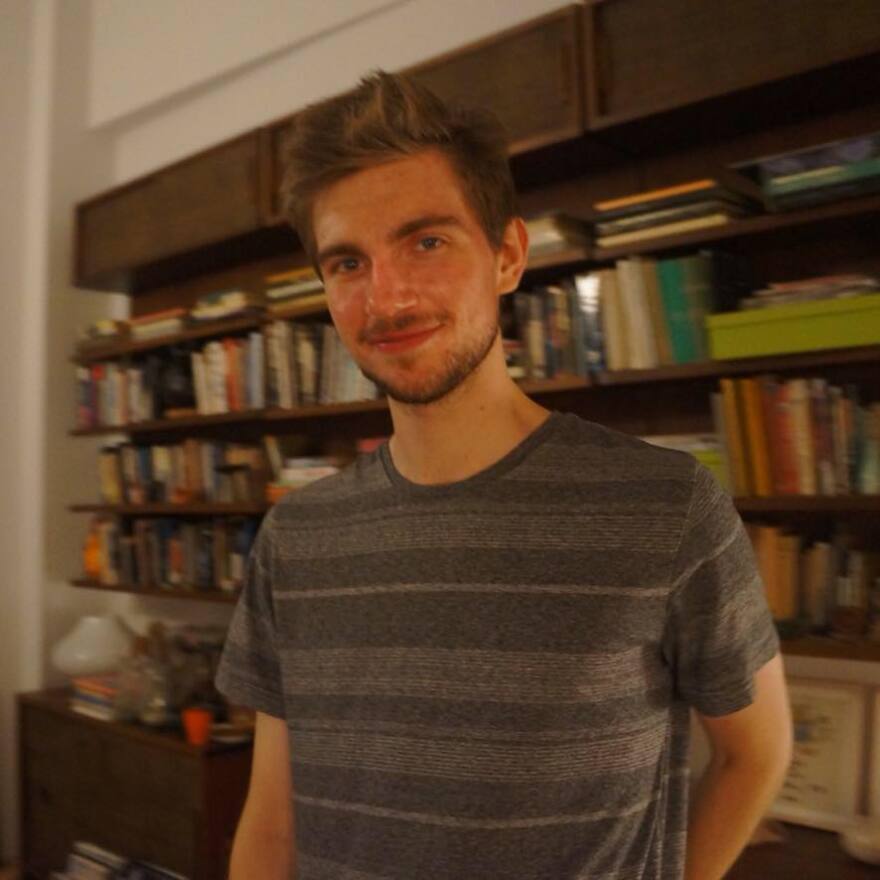
Nicholas Cleves, a 23-year-old White man, was living in Manhattan’s Greenwich Village when Halloween afternoon in New York City turned suddenly violent. He had been building an early adult life around computers and problem-solving, a recent college graduate working in software, known to neighbors and classmates as a gentle presence who moved through his routines like so many other young New Yorkers—until he became one of the Americans killed in the October 31, 2017 vehicle-ramming attack along the Hudson River Park bike path.
That day, a rented pickup truck entered the protected path running beside West Street in Lower Manhattan and tore through cyclists and pedestrians before smashing into a school bus. The short, fast rampage left eight people dead and many others injured, turning an ordinary stretch of waterfront into a scene of scattered bikes, wreckage, and first responders racing to triage the wounded. Cleves was identified by police as one of those killed, and reporting later painted him as the only New Yorker among the dead—close to home, in a city that was his daily landscape, caught in a burst of terror meant for strangers.
Investigators quickly focused on the driver, Sayfullo Saipov. After the truck crashed, he got out and was shot by an officer before being taken into custody alive, making the arrest immediate and public even as the full scope of the attack was still coming into focus. Federal authorities said the violence was carried out in support of ISIS, and the case moved into the federal system with terrorism and mass-murder allegations that reflected both the deaths and the many near-deaths on the path.
In the weeks and months that followed, prosecutors laid out sweeping charges against Saipov: counts including murder in aid of racketeering, attempted murder in aid of racketeering, and providing material support to ISIS, tied directly to the people killed and the many victims who survived with devastating injuries. Years later, the case finally reached a courtroom endgame. In January 2023, a federal jury found Saipov guilty, and the proceedings then shifted to whether he should be sentenced to death.
The death-penalty phase did not produce the unanimous decision required for execution, which meant the punishment defaulted to life in federal prison without parole. In May 2023, the court imposed a sentence structured to mirror the harm: multiple life terms for the lives taken, plus additional time for the attempted murders connected to the injured victims, closing the criminal case with Saipov facing the rest of his life behind bars. For the people who loved Cleves, the legal conclusion could only mark an ending on paper; what remained was the quieter aftermath—an empty place in everyday routines, a young life that stopped on a bike path, and a city left to remember how abruptly terror can rewrite an ordinary day.