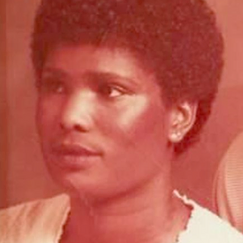
On February 19, 1991, the body of a 32-year-old Black/African American woman named Victoria Rhone was discovered inside a train in a Portland, Oregon rail yard. Her death was not from natural causes; she had been brutally strangled. The initial investigation revealed that she had been tied up with her killer's own shirt, a grim piece of evidence left at the scene of the crime.
For a time, her murder, along with that of another woman, Rheena Ann Brunson, who had been killed a few months earlier, remained unsolved, leaving a sense of unease in the community.
The case eventually found its suspect in Scott William Cox, a long-haul truck driver whose routes took him across the country. Cox’s name first came to the attention of law enforcement in connection with an assault and rape in Seattle. This led investigators to look into his potential involvement in other violent crimes. His transient lifestyle as a trucker made him a suspect in numerous unsolved homicides in various jurisdictions. As detectives delved into his activities, they began to connect him to the deaths in Portland.
The breakthrough came when Cox confessed to the murders of both Victoria Rhone and Rheena Ann Brunson. He claimed his anger towards his girlfriend had driven him to violence. Despite his confession, the legal proceedings faced a significant hurdle when a judge dismissed it in court, citing that it had been improperly obtained by police investigators. This forced the prosecution to build their case primarily on DNA evidence that linked Cox to the crimes.
On September 15, 1993, Scott William Cox pleaded no contest to two counts of murder. He was sentenced to consecutive prison terms followed by lifetime post-prison supervision. Due to the sentencing laws in place at the time, he was granted parole five years early in 2013. While he was convicted for the murders of Rhone and Brunson, authorities have considered him the prime suspect in at least 20 other unsolved murders across the United States.