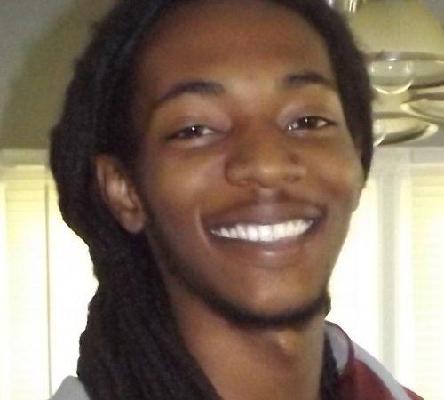
Billy C. Smallwood, 39, died in Kansas City, Missouri. In the fragments of public information available online, the circumstances surrounding his death are not described in a way that clearly pins down what happened in the moments leading up to it, where exactly it occurred, or who may have been with him when his life ended.
What stands out most is what is missing: there is no consistent, publicly accessible online reporting that names a suspect, describes a motive, or lays out a clear sequence of events. Without that kind of detail, his story is left with a stark outline—an identified person, a city, and an ending—while the middle remains largely in shadow.
In the same way, there are no widely available online public updates that document arrests, formal charges, a trial, or a conviction tied to his death. If any investigative leads were developed, they are not reflected in the readily accessible sources that discuss the case in a searchable, report-like way.
Today, what remains online does not read like a finished chapter. It reads like a door that never fully opened—his name preserved, the loss implied, but the answers that usually follow a death like this—who did it, why, and what happened next—still not plainly recorded in the public-facing material.