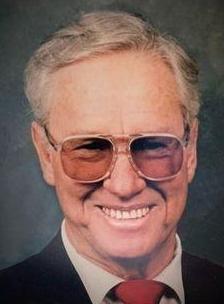
Alphonse "Al" Gratia Jr., a 71-year-old male of unspecified ethnicity, tragically lost his life on October 16, 1991, in Killeen, Texas. His death was part of a larger tragedy known as the Luby's massacre, a mass shooting that occurred at the Luby's Cafeteria in Killeen. The perpetrator, George Hennard, drove his pickup truck through the front window of the restaurant before opening fire on the patrons and staff inside.
This horrific event resulted in the deaths of 23 people, including Alphonse Gratia Jr., and injured 27 others.
The investigation into the Luby's massacre revealed that George Hennard, a 35-year-old former merchant seaman, had a history of mental health issues and had expressed feelings of anger and resentment towards society. He carried out the attack with two pistols, a Glock 17 and a Ruger P89, and engaged in a brief shootout with police before ultimately taking his own life. The motive behind the attack was believed to be a combination of misogyny, isolation, and rejection.
No arrests or suspects were identified in relation to Alphonse Gratia Jr.'s death, as the incident was classified as a murder-suicide committed by George Hennard. There were no further litigations or law cases related to the death of Alphonse Gratia Jr. beyond the initial investigation into the mass shooting.
Alphonse Gratia Jr. was laid to rest at Fort Sam Houston National Cemetery in San Antonio, Texas. His death, along with the deaths of the other victims, left a lasting impact on the community and led to increased discussions about gun control and mental health support in the United States.