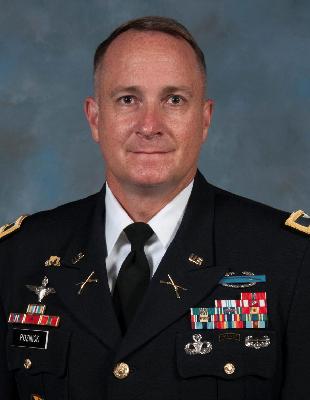
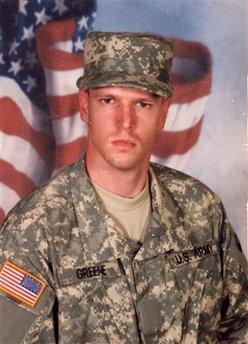
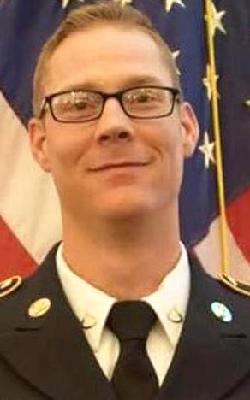
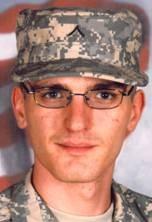
Capt. John P. Gaffaney, aged 56, was a psychiatric nurse and a dedicated Army Reserve officer. On November 5, 2009, he tragically lost his life during the Fort Hood shooting, a devastating incident that claimed the lives of 13 people and injured over 30 others. Capt. Gaffaney was at the Soldier Readiness Center, preparing for a deployment to Iraq, when a disgruntled U.S. Army psychiatrist, Maj. Nidal Hasan, opened fire on the soldiers lined up for medical processing.
Capt.
Gaffaney's heroic actions during the attack were widely recognized. Eyewitness accounts suggest that he either picked up a chair and threw it at Maj. Hasan or physically rushed him across the room in an attempt to subdue the gunman. Despite his efforts, Capt. Gaffaney was mortally wounded and later succumbed to his injuries. His bravery and selflessness were honored posthumously with the Soldier's Medal, one of the highest awards for heroism not involving actual combat with an enemy.
The aftermath of the Fort Hood shooting led to a thorough investigation and legal proceedings against Maj. Nidal Hasan. Hasan was charged with 13 counts of premeditated murder and 32 counts of attempted murder. In August 2013, he was convicted and sentenced to death by a military court. The case brought significant attention to issues of workplace violence and mental health within the military, prompting discussions on how to better support service members and prevent such tragedies in the future.
Capt. Gaffaney's legacy lives on through memorials and dedications, including the naming of the Army Reserve center in Garden Grove, California, in his honor. His family, friends, and colleagues remember him as a compassionate and courageous individual who dedicated his life to serving others. His actions on that fateful day exemplify the profound impact one person can have in the face of unimaginable adversity.