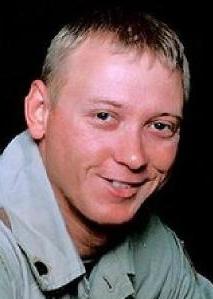
Captain Russell Gilbert Seager, aged 51, was a male of Caucasian ethnicity who tragically lost his life on November 5, 2009, at Fort Hood, Texas. He was a dedicated nurse practitioner and Army Reserve Captain who had a passion for helping veterans suffering from post-traumatic stress disorder. Seager was at Fort Hood for training and was scheduled to be deployed to Afghanistan in December 2009.
On that fateful day, Seager was one of 13 people killed and more than 30 others injured when
former U.S. Army psychiatrist Major Nidal Malik Hasan opened fire at the Soldier Readiness Center. Hasan, who was later found to have been motivated by extremist beliefs, shouted "Allahu Akbar" before carrying out the attack. The shooting lasted approximately 10 minutes before Hasan was subdued by civilian police and taken into custody.
Following the attack, Hasan was charged with 13 counts of premeditated murder and 32 counts of attempted murder. In August 2013, Hasan was convicted on all counts and sentenced to death by a military jury. The trial and subsequent legal proceedings drew significant attention, highlighting issues related to military justice and the handling of cases involving extremist ideologies.
The Fort Hood shooting remains one of the deadliest incidents in the history of U.S. military installations, and the victims, including Captain Seager, are remembered for their service and dedication to their country. The incident also led to increased scrutiny of security measures and mental health support within the military.
Captain Seager's legacy lives on through the memories of his family, friends, and colleagues, who continue to honor his commitment to helping others. His funeral was held with full military honors in Wonewoc, Wisconsin, where he was laid to rest in Pine Eden Cemetery.