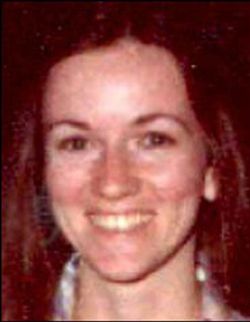
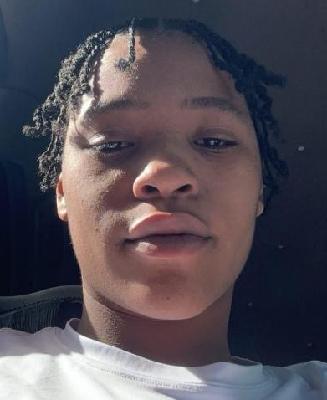
In a heartbreaking turn of events, 3-year-old Damiah L. White and her 28-year-old mother, Myeisha J. Turner, were discovered deceased in their Kansas City, Missouri, home on August 23, 2013. A relative made the grim discovery, finding them both shot in what was described as an execution-style killing. The tragedy was compounded by the presence of Damiah's 11-month-old brother, who was found unharmed but had been left alone with the bodies of his mother and sister for an unknown period.
The initial investigation into the double homicide left both the family and the community in search of answers, with authorities appealing to the public for any information that could lead to the perpetrator. The case remained without a named suspect for some time, causing considerable distress and a prolonged sense of uncertainty for the grieving family and the wider Kansas City community. Community members and officials held vigils and made public pleas, hoping to break the silence that surrounded the brutal killings.
Years later, a significant development emerged in the case. Federal prosecutors publicly identified Rashawn L. Long, a known gang member with a violent history, as the man responsible for the murders of Damiah and Myeisha. This accusation came to light during Long's sentencing for unrelated federal drug and firearm charges. Though he was not on trial for the murders, his alleged involvement in their deaths, along with other homicides, was presented as evidence of his violent character, contributing to a lengthy 30-year federal prison sentence.
Despite the public identification of Long as the primary suspect in the deaths of Damiah and her mother, as of the latest available information, formal murder charges had not been filed against him in Jackson County for this specific crime. While he is serving a substantial sentence for other offenses, the formal legal process to hold him accountable for the deaths of Damiah L. White and Myeisha J. Turner had not been initiated by the local prosecutor's office. The case, therefore, remains without a formal conviction for the murders, leaving a painful chapter in the city's history without a definitive legal conclusion.