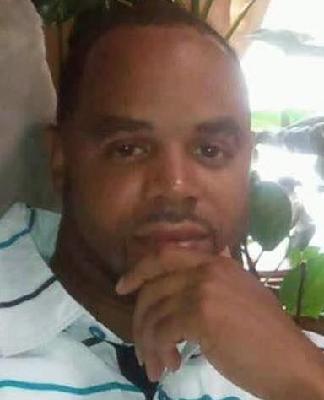
Ronald D. Oliver was a respected and dedicated lieutenant with the Memphis Police Department in Tennessee, where he had served for two decades. At 43 years old, he was a veteran officer committed to protecting his community. His life was tragically cut short in the line of duty, leaving behind a legacy of service and sacrifice that would be debated for years to come.
On the evening of August 5, 1981, a silent alarm was triggered at a Wendy's restaurant on North Thomas Street in Memphis. An armed man, later identified as 28-year-old Philip Ray Workman, was in the process of robbing the establishment. An employee had managed to activate the alarm after Workman allowed her to stand up to relieve a leg cramp. Lieutenant Oliver was one of three officers who responded to the call. As police arrived, Workman attempted to flee across a nearby parking lot.
Lieutenant Oliver and another officer, Aubrey Stoddard, pursued Workman and tackled him to the ground.
A struggle broke out, and shots were fired. Lieutenant Oliver was struck by a single bullet and fell to the ground with a fatal wound. Officer Stoddard was also shot in the arm but survived his injuries. Workman, who was also shot during the confrontation, was apprehended by police about an hour later. Lieutenant Oliver was rushed to a hospital, but he did not survive.
Philip Workman was charged with the murder of Lieutenant Oliver. At his trial in 1982, the prosecution's case relied heavily on the testimony of an eyewitness named Harold Davis, who claimed he was just ten feet away and saw Workman shoot the lieutenant. Officers Stoddard and Steven Parker testified that they had not fired their weapons. Workman was convicted of first-degree murder under the felony murder rule and, on May 11, 1982, was sentenced to death.
Over the next two decades, Workman’s case became fraught with controversy and doubt as his appeals progressed. In 1999, the key witness, Harold Davis, recanted his testimony, claiming he had fabricated the story to collect reward money for his drug habit and had been pressured by prosecutors. He admitted he wasn't even at the scene of the crime. Furthermore, several ballistics experts, including Dr. Cyril Wecht, reviewed the evidence and concluded that the fatal bullet was not consistent with the hollow-point ammunition from Workman's .45 caliber pistol. They argued that the wound characteristics suggested the shot likely came from a police-issued weapon, leading to the theory that Lieutenant Oliver was killed by friendly fire in the chaotic struggle.
The new evidence prompted five of the original jurors to sign affidavits stating they now had reasonable doubt about Workman's guilt. The case drew national attention, highlighting the complexities of the justice system. In an extraordinary moment, Lieutenant Oliver’s daughter, Paula Dodillett, met with Workman's daughter and publicly appealed for the truth to be fully examined before an execution was carried out. "Taking her father will not bring mine back," she stated. "And I am really interested in the truth, whatever that may be."
Despite the new evidence and numerous appeals, the courts upheld the original conviction, finding that Davis's later statements did not definitively prove he had lied at the trial. After spending 25 years on death row and coming within hours of execution on multiple occasions, all of Philip Workman's final appeals were exhausted. He was executed by lethal injection on May 9, 2007, at the Riverbend Maximum Security Institution in Nashville. The case of Lieutenant Ronald Oliver is officially considered solved, but questions surrounding the events of that tragic night in 1981 persist for many.