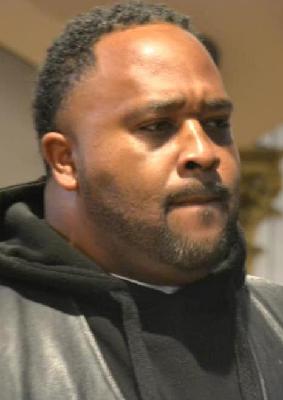
In the late summer of 2014, a house party in the Bellevue area of Nashville, Tennessee, turned tragic, ending the life of 20-year-old Carlos Gomez. On the morning of August 31st, amidst the social gathering, a dispute escalated into violence. A man brandished a handgun and fired three shots. While the first two bullets found no mark, the third struck Gomez in the head, inflicting a fatal wound.
The investigation into the shooting led police to Hassan Falah Al Mutory.
He was subsequently arrested and faced a charge of first-degree murder for the death of Carlos Gomez. The case proceeded to trial, where a jury considered the evidence presented. In September 2016, the jury reached a verdict, finding Al Mutory not guilty of first-degree murder but convicting him of the lesser offense of reckless homicide. Following his conviction, in December of that year, the court sentenced him to a term of three years in prison.
Hassan Falah Al Mutory began the process of appealing his conviction. However, in a turn of events, he passed away in November 2017, before the appellate court could rule on his case. His death raised a legal question regarding the status of his conviction. The matter eventually reached the Supreme Court of Tennessee, which issued a ruling on the legal doctrine of abatement ab initio, which in some cases can void a conviction if the defendant dies during an appeal. The court's decision in this matter brought a final, albeit complex, conclusion to the legal proceedings surrounding the death of Carlos Gomez.