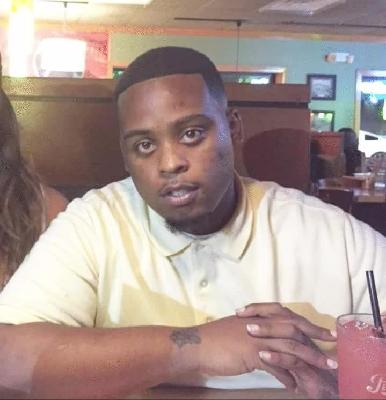
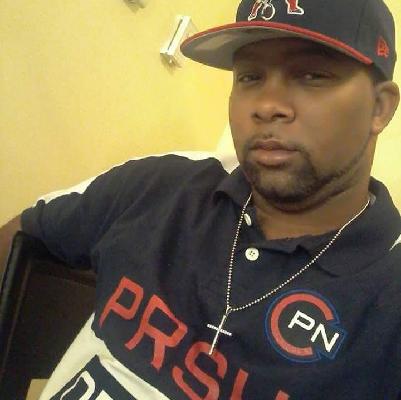
Terrick Carodine was 23, a Black man from Memphis, Tennessee, and on June 30, 2016, his life ended in a burst of violence inside a home in Southwest Memphis. Police said he got into an argument at a residence in the 3300 block of Ford Road, and in the tense aftermath of that dispute, he was shot. By the time officers arrived, the scene had already shifted from confrontation to tragedy, and the person responsible was gone.
In the days that followed, the case settled into the hard silence that often comes when answers run ahead of evidence. Investigators publicly described the shooting in stark terms—an argument, a gunshot, and then a suspect who fled before anyone could be stopped or identified. Weeks later, reporting noted that no arrests had been made, and anyone who knew what happened was urged to contact Crime Stoppers with information that might finally put a name to the person who ran.
Public death notices reflected only the bare, sorrowful fact of the date, offering none of the missing pieces about who pulled the trigger or why the argument turned fatal. In the publicly available reporting I found, no suspect was named in connection with Carodine’s killing, and no later arrest, charge, trial, or conviction was described in accessible coverage.