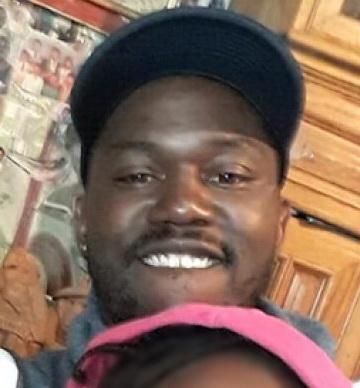
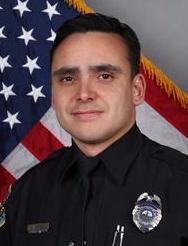
In the spring of 2017, the life of 18-year-old Keith King was tragically cut short in a burst of gunfire in Nashville, Tennessee. On the evening of March 16th, King, a male, was a passenger in a vehicle being driven by his uncle through an alley behind Garfield Street in North Nashville. As they proceeded, their car was suddenly riddled with bullets.
In a desperate attempt to save his nephew, the uncle sped away from the scene, eventually finding a Metro Police officer on Arthur Avenue to get help for the gravely wounded teenager. King was rushed to a nearby hospital, but his injuries proved to be fatal, and he succumbed to them shortly after arrival.
The investigation into the shooting led Metro Nashville Police to the Cheatham Place public housing development. While in the area, officers heard more gunfire and witnessed muzzle flashes. They saw a man, later identified as 24-year-old Hollis Eugeno Harbison III, fleeing the scene. After a brief pursuit, Harbison was apprehended and found in possession of a semi-automatic pistol with multiple magazines. Initially arrested on charges including felony reckless endangerment and unlawful gun possession, Harbison posted a $30,000 bond and was released. However, as the investigation progressed, he was charged with the murder of Keith King.
A second suspect, 25-year-old Kesean Hall, was also implicated in the fatal shooting. Hall was discovered in the alley where the shooting occurred, suffering from a gunshot wound himself. He was taken into custody and subsequently charged with multiple counts of first-degree murder in connection with King's death. Both Harbison and Hall were held in the Davidson County Jail on significant bonds as the legal process began to unfold. The case brought renewed attention to the issue of gun violence within the Nashville community.
The legal proceedings against the two men culminated in convictions. Following a trial, Hollis Harbison III was found guilty of two counts of second-degree murder, attempted murder in the second degree, aggravated criminal trespass, misdemeanor evading arrest, and unlawful weapon possession. He was also found guilty of employing a firearm during the commission of a dangerous felony and was sentenced to six years in the Tennessee Department of Correction for that charge, to be served consecutively with his other sentences. Kesean Hall was also convicted by a jury for his role in the events of that tragic night. He was found guilty of second-degree murder, attempted second-degree murder, and employing a firearm during the commission of or attempt to commit a dangerous felony. Hall received an effective sentence of thirty-five years for his convictions.