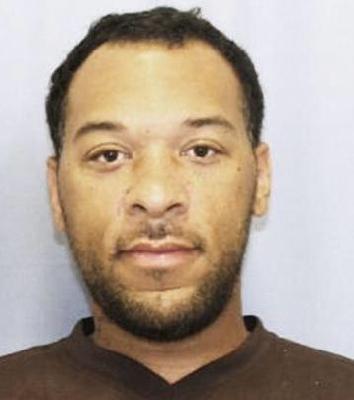
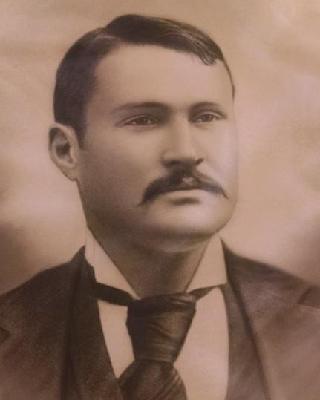
William Welsh, a 47-year-old male, died on March 17, 1983, after being shot outside the Pittsburgh home of his former girlfriend, Carol Stonehouse. Welsh was a retired Pittsburgh police officer who had served for about two decades, and Stonehouse was also a Pittsburgh police officer. Their relationship had begun around 1980, not long after Stonehouse joined the department, but by her account it quickly became frightening and inescapable.
On the morning Welsh was killed, Stonehouse called
police herself and reported that she had shot him. She told authorities that Welsh had fired at her and that she fired back. When police found Welsh, he was clutching a. 357-magnum revolver, but investigators later determined that his gun had not been fired. Prosecutors said Stonehouse fired twice from her third-floor back porch, striking Welsh once in the shoulder. The bullet traveled downward and severed a major artery, causing his death.
Stonehouse was taken into custody and charged with murder. Her defense centered on years of alleged abuse, stalking, threats, and violence by Welsh. She said that after their short dating relationship ended, Welsh would not leave her alone. According to her testimony, he repeatedly threatened her with a gun, slashed or flattened tires, put sugar in her gas tank, damaged her car, broke into her apartments, stole personal papers, and called her constantly. She said he once left flowers outside her door and later told her they were for her funeral. She also described an incident in which Welsh drove her to a shopping center, dragged her from a car, tried to run her over, and then punched her hard enough to break her nose.
The case became especially disturbing because much of Stonehouse’s account was supported by witnesses. Neighbors described Welsh watching Stonehouse’s apartment from his van, looking through binoculars, pounding on her doors, and shouting obscenities. Stonehouse said she moved repeatedly to escape him, but he kept finding her. She also said she tried to get help through the police department, including internal affairs, but little or nothing was done. At trial, the pattern she described was presented as the background to the shooting, but prosecutors argued that Welsh did not pose an immediate deadly threat when Stonehouse fired.
In September 1983, a jury convicted Carol Stonehouse of third-degree murder in Welsh’s death. She was later sentenced to seven to fourteen years in prison. The conviction initially stood, but the case continued through appeals and eventually became a significant Pennsylvania case involving the treatment of evidence about battered woman syndrome and long-term abuse in self-defense claims.
In March 1989, the Pennsylvania Supreme Court reversed Stonehouse’s conviction. The court found that her trial attorney had been ineffective for failing to present expert testimony on the effects of prolonged psychological and physical abuse and for failing to seek jury instructions that would have allowed jurors to consider the cumulative impact of that abuse when evaluating her fear and her claim of self-defense. The court noted that the events leading to Welsh’s death were extreme but were corroborated by disinterested witnesses.
Stonehouse was tried again in March 1990, this time before a judge rather than a jury. At the second trial, expert testimony about the effects of abuse was presented. On March 19, 1990, Judge John W. O’Brien acquitted her, finding that Stonehouse was a victim of battered woman syndrome and that, in a frenzied state, she reasonably believed she was in imminent danger of death when she fired at Welsh. After the acquittal, there was no standing conviction for Welsh’s death. Stonehouse, who had been suspended from the police force after being charged, was later reinstated and awarded back pay.