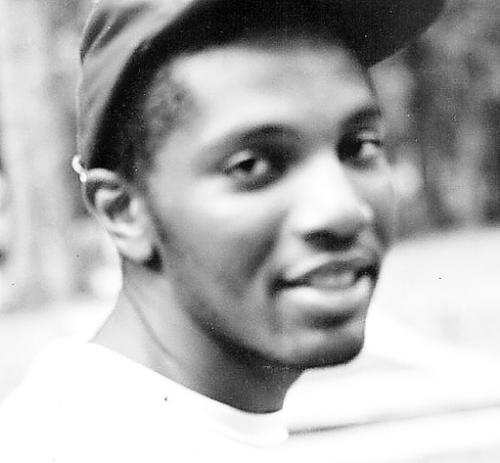
James Darryl Kinnion, a 46-year-old Black man from Birmingham, Alabama, was killed on January 26, 2015, in the city’s Collegeville neighborhood. That morning, Birmingham police were called to the area of 33rd Avenue North and 34th Street North, where they found him outside with a gunshot wound. He was pronounced dead at the scene, turning an ordinary winter morning into the kind of violent, abrupt ending that leaves a neighborhood stunned and a family forced into grief without warning. Reports from the time identify his death as a homicide and place it among the growing number of killings Birmingham was facing that year.
The known public details are spare, which in its own way makes the case feel even colder. There does not appear to have been a long public account of what led up to the shooting, no widely reported narrative of an argument, robbery, or confrontation, and no publicly identified suspect in the reporting that remains available online. What is clear is that investigators treated the case as a homicide from the outset, and early coverage said the investigation was continuing after officers identified Kinnion. Later compiled Birmingham homicide listings likewise continued to show the case with no arrest, suggesting that the killing remained unsolved in the sources available online.
In the days after his death, Kinnion’s obituary marked the human life behind the police brief. It noted that he was from Birmingham and that funeral services were scheduled at Twenty Fifth Avenue Baptist Church, with burial to follow at Zion Memorial. That small notice stands in painful contrast to the violence of how he died: one moment remembered in family and faith, the other preserved in crime records and homicide summaries. Based on the online sources available, no arrest, named suspect, criminal charge, trial, or conviction has been publicly documented in connection with his killing.