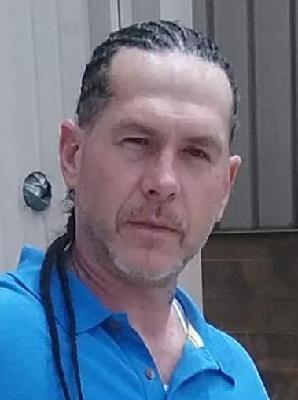
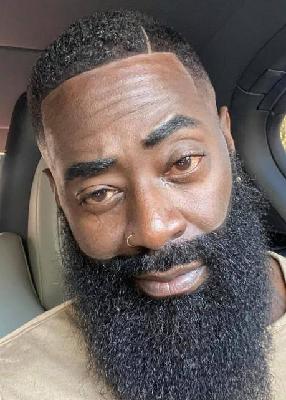
Justin Carr, a 26-year-old African American male, was tragically killed on September 21, 2016, in Charlotte, North Carolina. His death occurred during the second night of protests in uptown Charlotte following the police shooting of Keith Lamont Scott. The protests, which began peacefully, escalated into violent confrontations between protesters and riot police. Carr was among the demonstrators outside the Omni Hotel when he was shot in the head.
He was taken to the hospital but succumbed to his injuries the following day.
The investigation into Carr's death led to the arrest of Rayquan Borum, a 24-year-old African American male. Borum was charged with second-degree murder and possession of a firearm by a felon. The prosecution argued that Borum, aiming at police officers, fired his weapon and struck Carr instead. Video footage and witness testimonies were presented during the trial, showing Borum firing the shot and fleeing the scene. Borum was found guilty of second-degree murder and sentenced to at least 24 years in prison.
The trial of Rayquan Borum highlighted several issues, including the chaotic nature of the protests and the challenges faced by law enforcement in maintaining order. The defense argued that Borum's due process rights were violated and raised doubts about the reliability of the evidence presented. Despite these arguments, the jury found Borum guilty, and he was sentenced to a lengthy prison term.
Carr's death and the subsequent trial of Borum brought attention to the broader issues of police violence, racial profiling, and the right to protest. The community mourned the loss of Carr, a father-to-be, and his family spoke out about the need for justice and systemic change. The case remains a poignant reminder of the tensions and challenges faced by communities across the United States in the pursuit of justice and equality.