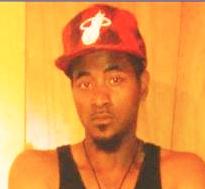
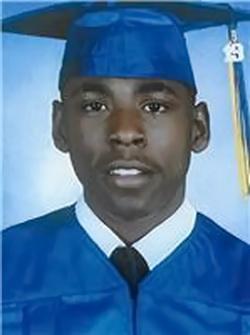
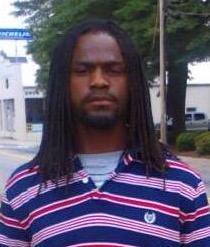
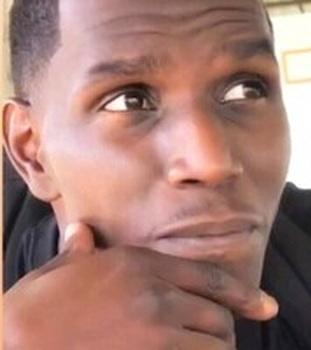
In the spring of 1997, the community of Bridge City, a small town in the New Orleans area, was shaken by the violent death of local grocer Tommy Vanhoose. On the evening of April 5th, a masked individual entered Comeaux's Grocery, a popular neighborhood store, and demanded money from the 43-year-old male owner. When Vanhoose attempted to reason with the assailant, he was shot four times and tragically bled to death in his own store.
Witnesses reported seeing the gunman flee the scene, discard a ski mask and shirt while jumping into the passenger side of a waiting car.
The investigation into Vanhoose's murder quickly led to the arrest of two seventeen-year-olds, Ryan Matthews and Travis Hayes. Despite a significant inconsistency in the evidence—the getaway car was described as having an open passenger window for the suspect to dive through, while the car Matthews and Hayes were in had a broken, sealed passenger window—Hayes confessed after a lengthy interrogation. Based largely on this confession, both teenagers were charged with the murder. Matthews was ultimately convicted and sentenced to death, beginning a years-long ordeal on Louisiana's death row.
Years later, the case took a dramatic turn. Attorneys for Matthews, persistently claiming his innocence, uncovered new evidence. DNA testing on the ski mask found at the scene, which had excluded Matthews at his original trial, was compared to a man named Rondell Love. Love was already serving a manslaughter sentence for the murder of a woman that occurred months after Vanhoose's death. The DNA was a match to Love. Furthermore, inmates who had been incarcerated with Love came forward, stating that he had bragged about killing the Bridge City grocer.
This new evidence led to the exoneration of Ryan Matthews, who was released from death row after spending five years in prison for a crime he did not commit. Despite the DNA evidence pointing to Rondell Love as the perpetrator and his reported confessions to fellow inmates, the Jefferson Parish District Attorney's office did not charge him with Tommy Vanhoose's murder. Travis Hayes, who was convicted based on his coerced confession, continued to serve a life sentence, his conviction remaining a point of contention and appeal long after Matthews was freed. The tragic death of Tommy Vanhoose not only left a void in his community but also exposed deep flaws within the justice system that led to the wrongful conviction of a young man.