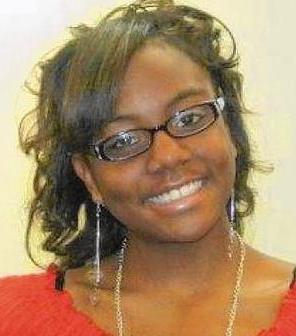
Dimonique Hardnett, 22, a Black woman, was killed on November 28, 2007, in Baton Rouge, Louisiana, her life ending in a burst of violence that struck close to midnight. In the telling that emerged afterward, she was pulled from her bed, shot in the head, and left outside to die, her body discovered near a fire hydrant in a stretch of Cedar Avenue locals spoke of with dread and resignation.
The neighborhood details linger like the afterimage of flashing lights: chalk marks on pavement, investigators’ gloves, and scraps of crime-scene tape that stayed behind long after the sirens faded. Her sister, Terrica, described a family already worn down by loss, and she spoke of Dimonique as someone who could still make people laugh, someone young enough to promise she would come home for Christmas Eve and mean it. But the same streets that held those promises also held the pull of addiction and the danger of the crowd she’d fallen in with, the kind of danger that turns every whispered story into a threat.
In that account, Terrica believed her sister may have been targeted because she “knew too much” about a prior killing—knowledge, even secondhand, that can become a death sentence in places where fear polices silence. The area where she was found was described as a trap, a pocket of the city where dealers, users, and watchers all seemed to blend together, and where leaving could be harder than anyone on the outside understands.
As for justice, the public record in contemporary reporting painted an emptier picture than the tragedy deserved: police said they did not have any suspects at the time, and no arrests were identified in that report. The case, at least as it appeared in the sources that remain accessible, carried the ache of an unanswered question—who did it, and why—and the only immediate path forward offered to the public was a plea for information through Crime Stoppers.
In the days that followed, her name moved from headlines to funeral notices: she was remembered as a native and resident of Baton Rouge, with services held through a local funeral home and burial at a memorial park. The formal words of remembrance sat in sharp contrast to the way her final night was described—proof, in black and white, of how quickly a person can be reduced to a case file, even as family and friends are left carrying the full weight of who she was.