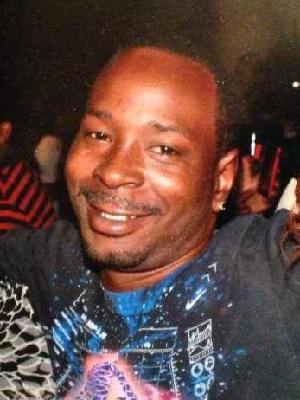
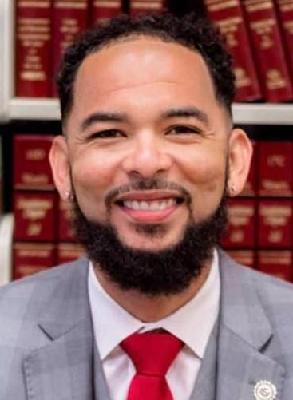
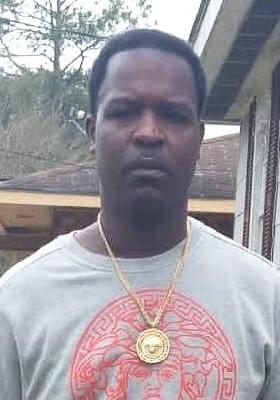
On a Sunday morning in March 2011, 43-year-old Edward Charles Gurtner III was at his job at the Carquest auto parts store on Airline Highway in Baton Rouge, Louisiana, when a deadly robbery unfolded. Gurtner, the store's manager, and his co-worker, 54-year-old Randy Leo Chaney, were both shot and killed in the incident. The grim discovery was made later that day when one of the victim's wives arrived at the store and found the men in a back room.
Investigators determined that cash had been taken from the building, pointing to a robbery as the motive.
The investigation quickly zeroed in on a suspect who was part of the Carquest family. Lee Turner, Jr., a 21-year-old employee of a different Carquest location in the city, became a person of interest after he failed to show up for his scheduled shift around the time of the murders. Authorities arrested Turner at the Carquest on Government Street where he worked. Within hours of his arrest, Turner confessed to the double homicide. During his confession, he stated that he had not intended to kill anyone but was triggered when one of the employees used a racial slur. Following his confession, he was charged with two counts of first-degree murder and one count of armed robbery.
Lee Turner, Jr. was indicted by a grand jury and his case proceeded to trial. The evidence presented, along with his confession, led a jury to unanimously find him guilty on two counts of first-degree murder. Following the guilty verdict, the penalty phase of the trial concluded with the jury unanimously recommending a sentence of death for the murders of both Edward Gurtner and Randy Chaney.
However, the legal journey did not end there. In a direct appeal to the Supreme Court of Louisiana in 2018, Turner's convictions were affirmed, but his death sentences were vacated. The court found an issue with the jury selection process, specifically a 'reverse-Witherspoon' challenge, which relates to the exclusion of potential jurors based on their views on the death penalty. Due to this error, the case was sent back to the lower court for a new penalty phase to determine a new sentence for the confirmed convictions.