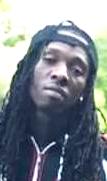
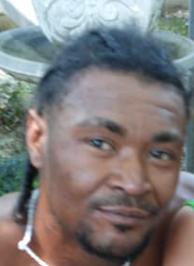
Lester Joseph Reed Jr., a 32-year-old Black man from Baton Rouge, Louisiana, died on Sunday, November 23, 2014, leaving behind a stunned circle of relatives and friends who would soon gather to try to make sense of how quickly a life can vanish. In the days that followed, his name appeared in public death notices and memorial listings, the kind that quietly mark a passing even as the city keeps moving—workday traffic, porch lights flicking on at dusk, and families at kitchen tables absorbing
news they never expected to hear.
Publicly available online sources that reference Reed’s death give only limited detail about what happened that night. A memorial listing identifies his death as involving gun violence in Baton Rouge on November 23, 2014, but does not provide a narrative of the circumstances or identify a shooter. The published obituary likewise does not describe the manner of death, focusing instead on the arrangements and the people who loved him. In the material that is readily accessible online from these sources, there are no named suspects, and no arrests, charges, trials, or convictions described in connection with Reed’s death.
As his family prepared to say goodbye, the obituary laid out the final acts of care: visitation at Community Bible Baptist Church on Monte Sano Avenue in Baton Rouge, followed by a religious service, and burial at Thomas Chapel Cemetery in Baker. It named the people he left behind—his mother Ruby Reed, siblings, grandparents, and extended family—each name reading like a thread in the larger story of who he was to his community. The notice also listed the funeral home entrusted with arrangements, a practical detail that, for grieving families, becomes part of the strange new routine of loss.