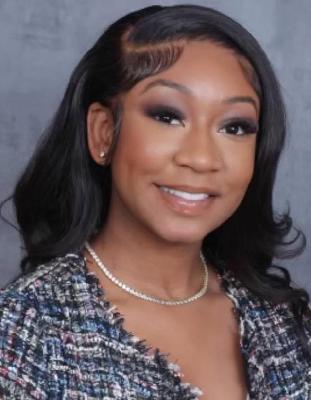
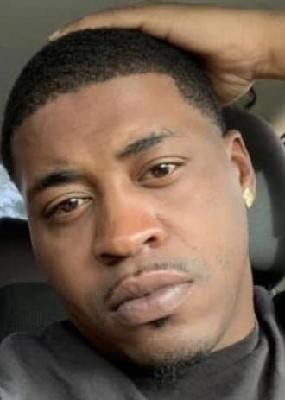
Rodkeira Nelson, 18, was killed on April 17, 2019, in Shreveport, Louisiana. She was a Black woman, and the night her life ended was described in local reporting as a Wednesday-night shooting in Shreveport’s Cedar Grove area, with the coroner releasing her identity afterward.
In the public record that remains easy to access online, the details of what led to the gunfire are thin and fragmented—more a stark outline than a full picture.
Her death is repeatedly logged as gun violence in Shreveport on that date, and memorial pages preserve her name and the moment she was lost, while leaving much of the story outside the frame: where exactly she stood, who was with her, and what argument or encounter—if any—spilled into violence.
What comes through clearly is what followed: a young woman gone, her community left to grieve and to wonder. Funeral arrangements were handled in Shreveport, and condolence pages gathered the quiet, familiar language of sudden loss—family and friends circling her memory, trying to make meaning out of a date that should have been ordinary.
As for accountability, the online sources that are accessible without relying on restricted pages do not provide names of suspects, nor do they document arrests, charges, trials, or convictions connected to her killing. In those available accounts, the violence is recorded, her identity is preserved, but the trail of who did it—and whether anyone was ever formally accused—does not appear in the public-facing material that can be readily verified from the sources reviewed.