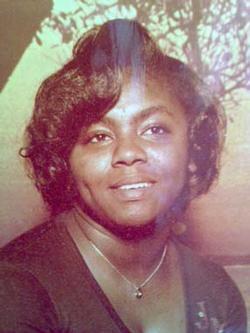
In the late summer of 2020, just as Hurricane Laura unleashed its fury upon Louisiana, a grim discovery was made in the small town of Iowa. A family member, checking on an elderly couple after the storm had passed, stumbled upon a scene of violence that would shatter the community's sense of peace. Inside their home on Thompson Avenue, 73-year-old Joan O’Brien and her 81-year-old husband, Zoren, were found deceased.
The female victim and her husband had been fatally shot, marking the beginning of a double homicide investigation by the Calcasieu Parish Sheriff's Office.
The investigation soon focused on a man who was no stranger to the O'Briens. Scot M. Kidd, a 36-year-old from the nearby town of Kinder, was identified as a person of interest. Kidd was described as a longtime acquaintance of the couple, someone who had even stayed with them in the past and had gone on hunting trips with Zoren. The nature of their relationship made the subsequent events all the more shocking. He was arrested on an unrelated warrant the day after the bodies were discovered.
Prosecutors would later argue that Kidd, motivated by a desperate need for money, had broken into the O'Briens' home. The evidence presented during his trial painted a damning picture. Kidd's blood was found on a flashlight discovered near the victims' bodies. Furthermore, some of Joan O’Brien’s jewelry was found in the possession of Kidd's estranged girlfriend, directly linking him to the robbery. Investigators believe he shot the couple before stealing their belongings and fleeing the scene.
In October 2021, a jury found Scot M. Kidd guilty of two counts of first-degree murder for the deaths of Joan and Zoren O'Brien. During the trial, Kidd took the stand and attempted to claim self-defense. He presented a narrative where Zoren O'Brien had accidentally shot his wife, and that he had then killed Zoren to protect himself. The jury, however, rejected his account in the face of the evidence presented by the prosecution. Kidd was subsequently sentenced to two life sentences for the brutal murders. His conviction was later upheld on appeal, though it was noted that a sentencing error needed to be corrected.