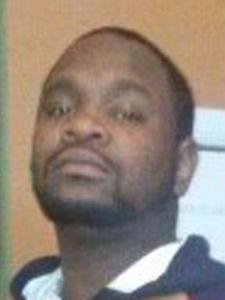
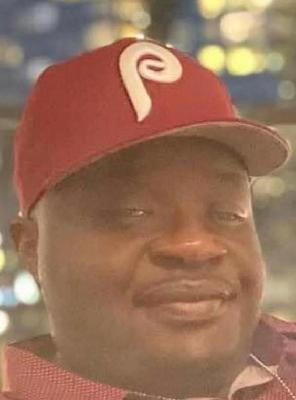
Reginald Brown, a 30-year-old African American male from Chicago, IL, tragically lost his life on January 31, 2016. The circumstances surrounding his death were deeply troubling and led to an extensive investigation by local authorities. Brown was found deceased in his residence, and initial reports indicated that he had suffered multiple gunshot wounds.
The nature of his injuries suggested a violent confrontation, prompting the Chicago Police Department to treat the case as a homicide from the outset.
The investigation into Reginald Brown's death revealed several critical details. Witnesses reported hearing gunshots in the early hours of the morning, and surveillance footage from nearby cameras captured a suspect fleeing the scene shortly after the incident. The suspect, described as a male in his late twenties to early thirties, was seen wearing dark clothing and a hooded sweatshirt. Despite these leads, the identity of the perpetrator remained unknown for several months, causing significant distress among Brown's family and the local community.
In the months following the murder, the Chicago Police Department intensified their efforts to solve the case. They conducted numerous interviews with potential witnesses, reviewed hours of surveillance footage, and followed up on various tips from the public. The breakthrough came when forensic evidence linked a known gang member to the crime scene. This individual, who had a history of violent offenses, was subsequently arrested and charged with the murder of Reginald Brown. The arrest brought a sense of relief to Brown's family, who had been advocating for justice since his untimely death.
The legal proceedings that followed were closely watched by the community. The suspect, whose identity was withheld during the investigation, faced multiple charges, including first-degree murder and illegal possession of a firearm. During the trial, the prosecution presented compelling evidence, including DNA samples and ballistic reports, which firmly placed the suspect at the scene of the crime. Witness testimonies further corroborated the prosecution's case, leading to a conviction. The suspect was sentenced to life imprisonment without the possibility of parole, providing a measure of closure to Reginald Brown's grieving family.
Reginald Brown's death highlighted the ongoing issues of gun violence and gang-related activities in Chicago. His case underscored the need for continued efforts to address these problems and ensure the safety of all residents. The community's response to his murder, including vigils and calls for increased police presence, demonstrated a collective desire to prevent such tragedies in the future. Brown's legacy lives on through the memories of his loved ones and the ongoing fight for justice and peace in his neighborhood.