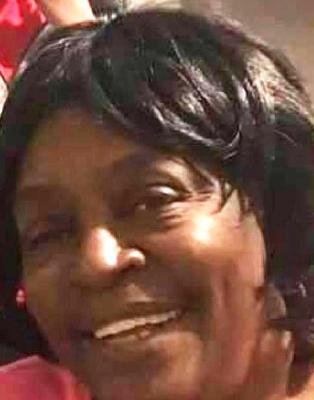
Michele Robey, a 55-year-old woman from Chicago, Illinois, died on February 10, 2017, after being shot by a Chicago police officer. Robey, who had a history of mental illness, including bipolar disorder, was involved in a series of incidents leading up to her death. On the day of the incident, Robey was reported to have threatened employees and patrons at a CVS Pharmacy with a knife. She was described as knocking items off shelves and using derogatory language while brandishing the weapon.
When police arrived at the scene, they found Robey at a nearby bus stop, still holding the knife and behaving erratically.
The officers attempted to subdue Robey using a Taser, but it was ineffective. According to reports, Robey then lunged at the officers with the knife, prompting Officer Stephen Romanski to shoot her in the abdomen. Robey was taken to the hospital, where she was pronounced dead. The Cook County Medical Examiner ruled her death a homicide caused by a gunshot wound to the abdomen.
The incident sparked an investigation by the Independent Police Review Authority (IPRA), which later became the Civilian Office of Police Accountability (COPA). The investigation included interviews with numerous witnesses, review of video surveillance footage, and examination of police reports and medical records. The final report, submitted to the Cook County State's Attorney's Office, concluded that there was insufficient evidence to file criminal charges against the officer involved.
Robey's family, particularly her mother, expressed deep sorrow and questioned the use of force by the police. They highlighted Robey's struggles with mental illness and her recent discontinuation of medication due to financial issues. Robey's mother also noted that Michele had a master's degree in psychology and had dedicated much of her life to helping others, particularly in educating families about HIV and AIDS prevention.
In the aftermath of the shooting, Robey's sister filed a lawsuit against the Chicago Police Department, alleging excessive force. The case brought attention to the broader issues of police interactions with individuals suffering from mental health crises and the protocols in place for handling such situations. The officers involved in the shooting were placed on administrative leave for 30 days, as per department procedure for police-involved shootings. The incident remains a poignant example of the challenges faced by law enforcement and the need for improved mental health support and crisis intervention strategies.