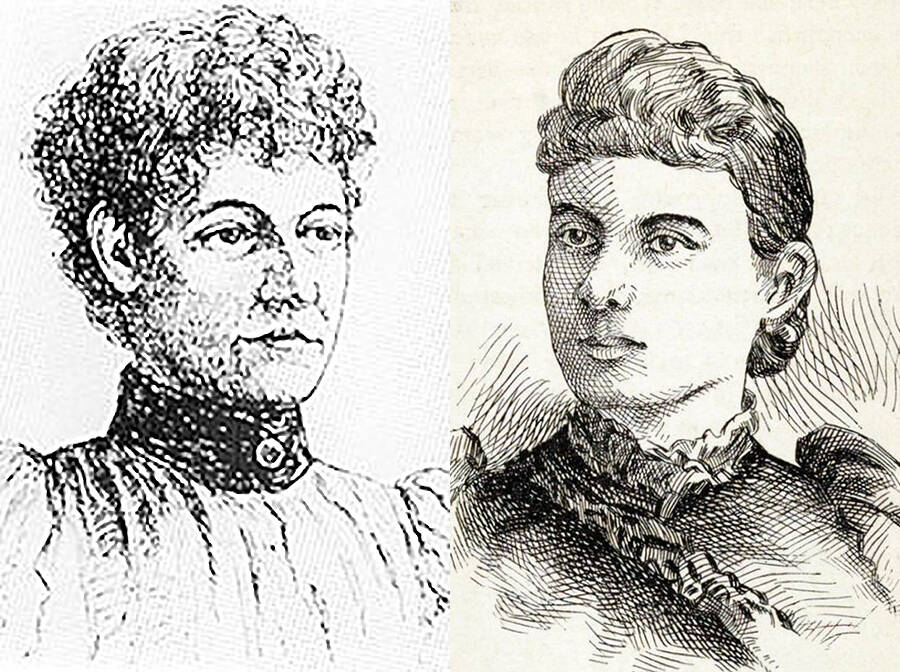
To her children, she was a loving mother with bright blonde hair, deep blue eyes, and a smile that could light up a room. Genevieve "Jenny" Mellas, a 32-year-old Caucasian woman, was described by her daughters as selfless, always willing to give the shirt off her back to help anyone. A mother to six children—three girls and three boys—Jenny was the life of the party and opened her heart to everyone around her. Despite her own struggles, her children remember her as a "god in our eyes," a woman who would do anything for them, and for whom they would do anything.
The love and warmth Jenny brought to her family were cruelly extinguished on Thursday, October 9, 2008. Her body was discovered near a lagoon in Marquette Park on Chicago's Southwest Side. She had been strangled, a belt found tied around her neck, and she was partially clothed.
Her death was a brutal end to a life that, while not without its hardships, was filled with love for her family.
The investigation into Genevieve's murder has left her family with more questions than answers. Her daughter, Amber Mellas, expressed frustration with the handling of the case, stating that evidence was found but deemed insufficient by investigators. "My mother was murdered and she had a belt around her neck. They got fingerprints on the belt," Amber said. "They said that was not enough... They had DNA inside of her and that was not enough." For years, the family has waited for a breakthrough, a witness to come forward, or for charges to be filed, but justice has remained elusive.
Genevieve's case is not seen as an isolated incident by some investigative bodies. Her murder is one of at least 51 unsolved strangulation and asphyxiation cases involving women in Chicago between 2001 and 2018. This cluster of killings has led organizations like the Murder Accountability Project to suggest that one or more serial killers, sometimes dubbed the "Chicago Strangler," may be responsible. The victims in this series were often left in desolate locations like alleys, abandoned buildings, or parks, similar to how Genevieve was found.
The theory of a serial killer, or killers, stems from the chilling similarities in the cases: the cause of death, the manner in which the bodies were disposed of, and the geographical clustering of the crimes on the city's South and West Sides. While the Chicago Police Department has reviewed the cases, they have not officially confirmed a link or the existence of a single serial killer. This has left the families of victims, including Genevieve's, in a painful state of uncertainty.
The passage of time has not healed the wounds for Genevieve's family. Her mother, Magdalene Mellas, spent years seeking attention for her daughter's unsolved murder. She passed away in early 2019 with a broken heart, her dying wish that her daughter's killer would be found. Genevieve's daughters, Amanda and Amber, continue to keep their mother's memory alive, choosing to focus on the love she gave them rather than the darkness of her death. They remember her as a beautiful, carefree soul, a social butterfly who now "flies with butterflies." Her case remains unsolved, one of many that haunt the city of Chicago.