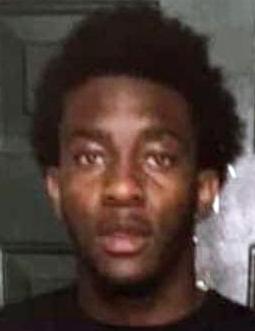
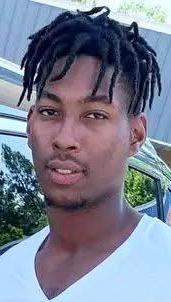
In the tumultuous backdrop of Augusta, Georgia, in May of 1970, a young, 20-year-old Black man named Sammie L. McCullough became one of the casualties of a city simmering with racial tension. The atmosphere in Augusta was charged following the death of Charles Oatman, a mentally disabled Black teenager who died while in custody at the county jail. Protests erupted on May 10th and escalated into widespread demonstrations by the next day, a day that would ultimately be marked by violence and
loss.
On the night of May 11, 1970, McCullough, who worked in the housekeeping department of a local hospital, was with a close childhood friend. The two were described as inseparable. Drawn by the sight of a building on fire near their housing project during the unfolding riot, they went to observe from a distance. As police arrived at the scene, McCullough and his friend started to walk back to their car. It was then that gunshots rang out, and McCullough fell to the ground, fatally wounded. His friend later recounted seeing a police officer standing with a weapon raised just a short distance behind where McCullough had been.
Sammie McCullough was one of six Black men who were shot and killed by police during the Augusta Riot; none of the men were armed. Autopsy reports would later reveal that all six men had been shot in the back. In a telling distinction, however, only McCullough's death was officially classified as a homicide. The cause of his death was determined to be shotgun wounds to the chest. In the immediate aftermath, Georgia's governor announced a 'no-holds-barred' investigation by the Georgia Bureau of Investigation, and the FBI also opened an inquiry into the deaths to determine if any federal laws had been violated.
Despite the investigations, the state ultimately declined to press charges in connection with the deaths. A federal grand jury did indict two Augusta police officers, William S. Dennis and Louis C. Dinkins, on civil rights charges. However, Dennis was tried and acquitted for the fatal shooting of John Stokes, another of the six victims, by an all-white jury. Dinkins was also acquitted of charges related to the non-fatal shooting of a Black teenager during the protests. To this day, no one has been charged specifically for the death of Sammie McCullough. In 2019, his case was listed as being under review by the Department of Justice as part of the Emmett Till Unsolved Civil Rights Crime Act.