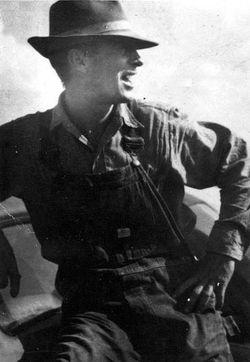
In the quiet farming community of Donalsonville, Georgia, a horrific crime unfolded on May 14, 1973, forever scarring the Alday family and the local community. Aubrey Alday, a 57-year-old male, was one of six family members brutally murdered that day. The chain of events began when four men, three of whom were escaped prisoners from Maryland, happened upon the mobile home of Jerry and Mary Alday.
The perpetrators were Carl Junior Isaacs, his half-brother Wayne Carl Coleman, George Elder Dungee, and Isaacs' younger brother, Billy Isaacs. Their initial intent was to burglarize the home, but the situation escalated as members of the Alday family began to return. As the family members arrived, they were systematically taken into the home and shot to death. Aubrey Alday arrived at the trailer with his nephew, Chester 'Shuggie' Alday, and they too were forced inside at gunpoint. Aubrey was taken to a bedroom and killed.
In total, six members of the Alday family lost their lives: Ned Alday, his sons Jerry, Jimmy, and Chester, Ned's brother Aubrey, and Jerry's wife, Mary. The brazen and senseless nature of the killings sent shockwaves through the community. The four suspects fled the state but were apprehended in West Virginia just four days after the murders.
The subsequent legal proceedings were lengthy and complex. Billy Isaacs, the youngest of the group, turned state's evidence and testified against the others in exchange for a plea deal, ultimately serving a 20-year prison sentence. Carl Isaacs, Wayne Coleman, and George Dungee were all convicted of murder and sentenced to death. However, these initial convictions were overturned in 1985 by a federal appeals court due to excessive pretrial publicity that was deemed to have prejudiced the jury pool.
The retrials brought renewed pain to the surviving family members and the community. Despite the legal challenges, the three men were again convicted. Carl Isaacs was once more sentenced to death. George Dungee also received a death sentence that was later commuted to life in prison. Following his second conviction, Wayne Coleman's jury was unable to unanimously agree on a death sentence, resulting in multiple life sentences.