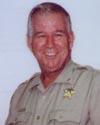
In the quiet town of Douglas, Georgia, the evening of March 2, 1988, ended in a brutal act of violence that claimed the life of 39-year-old Joseph V. Pala. A manager at the Wickes Lumber Company, Pala was closing up the store for the night when he was met with a fatal encounter. His life was cut short in a robbery that turned into a gruesome homicide, leaving a lasting scar on the community.
The following day, law enforcement officials made a swift arrest, bringing into custody a man who was no stranger to the victim or the place of the crime. Samuel David Crowe, a former manager-in-training at the very same lumber company, was identified as the sole suspect. Crowe, who was acquainted with Pala and the store's closing procedures, had fallen on hard financial times and had planned the robbery to alleviate his debts. His connection to the business and the victim painted a grim picture of betrayal.
Crowe's confession detailed the horrific events of that night. After being let into the store by Pala, he waited for a moment when the manager was preoccupied with paperwork before he struck. The assault was merciless; Pala was shot, bludgeoned with a crowbar, and hit with a can of paint. The motive was robbery, and Crowe made away with a cash bag, leaving his former boss for dead.
The legal proceedings that followed saw Crowe plead guilty to malice murder and armed robbery. In November 1989, a jury sentenced him to death. For years, he remained on death row, his case moving through the appeals process. Then, in a dramatic turn of events on May 22, 2008, just hours before his scheduled execution, the Georgia Board of Pardons and Paroles commuted Samuel David Crowe's death sentence to life in prison without the possibility of parole. While the board offered no public reason for their decision, Crowe's lawyers had argued for clemency based on his expressed remorse and good behavior during his time in prison. The commutation brought a final, albeit controversial, close to a case that began with a violent and senseless murder.